


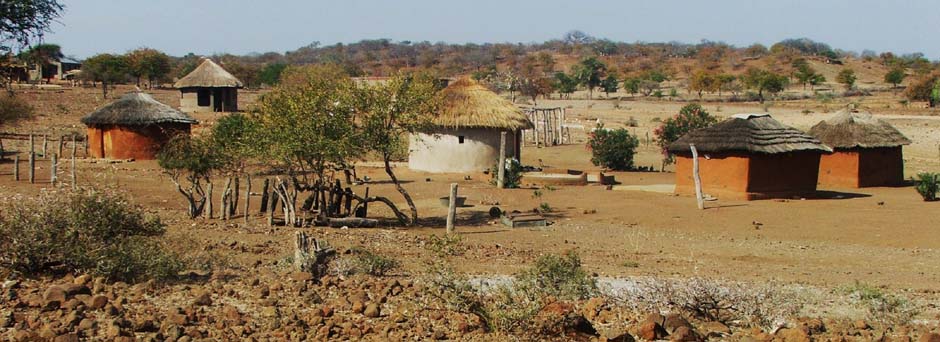
Activists claim that some community members who have been vocal against the displacement are being subjected to intimidation and pressure, while others have reportedly gone into hiding after allegedly coming under scrutiny from state authorities.
The allegations come amid a government crackdown on the illegal sale and allocation of communal land, popularly known as “Sabhuku deals”.
Authorities have said the campaign is intended to stop village heads and other individuals from unlawfully parcelling out and selling communal or state land.
However, Chilonga activists argue that the enforcement campaign is creating an additional avenue for pressure on villagers who have resisted plans to relocate the predominantly Shangani community.
The Masvingo Centre for Research and Development (MACRAD) has previously reported cases of intimidation, threats, arbitrary arrests and physical abuse involving people resisting the displacement of Chilonga villagers.
The organisation said some activists had been forced to flee the area because of alleged persecution.
“The people who have been standing up to defend their ancestral land continue to face various forms of persecution. Some have gone into hiding because of persecution and their situation remains dire,” MACRAD director Ephraim Mtombeni said.
He added that a number of activists had fled the area because of the pressure they were facing and are in desperate need of assistance.
The latest allegations revive longstanding concerns over the treatment of Chilonga villagers who have resisted relocation plans linked to lucerne production.
In 2021, the government gazetted Statutory Instrument 50, which sought to set aside about 12,940 hectares of Chilonga communal land for lucerne production.
The proposed displacement triggered a legal and human-rights dispute, with rights organisations challenging the process and raising concerns over consultation, compensation and alternative land.
Human Rights Watch reported at the time that several Chilonga community leaders opposed the relocation plans and said the project had been announced without their consent.
Activists now fear that the renewed focus on land transactions could further expose community leaders and campaigners to state pressure.
They argue that legitimate efforts to stop illegal land sales should not be used to punish or intimidate villagers exercising their rights to speak out against displacement.
The Chilonga dispute remains unresolved, with community activists continuing to demand protection of their ancestral land, livelihoods and cultural rights.
Post published in: Agriculture