


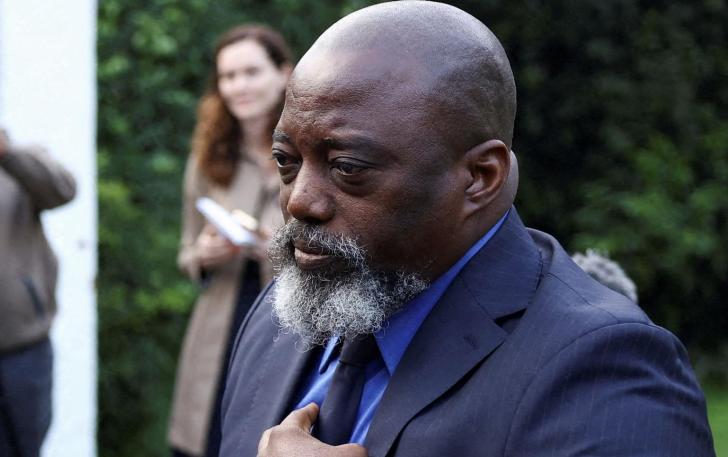
At the centre of the confrontation is the Front pour la Refondation de la Nation (FRN), a new political and military coalition reportedly launched in Goma on October 12, 2026, with Kabila as its political leader.
The movement is said to have brought together elements of the AFC/M23 coalition under a new structure, with Corneille Nangaa and Bertrand Bisimwa serving as vice-presidents, while General Sultani Makenga retains a senior military command role.
The developments have reportedly unsettled Tshisekedi’s administration, with concerns over divided loyalties extending beyond the battlefields of eastern Congo into military barracks, intelligence institutions and provincial administrations.
In Lualaba province, Governor Fifi Masuka has reportedly been summoned to Kinshasa amid suspicions that senior provincial officials are sympathetic to Kabila.
On October 9, the government suspended provincial police commissioner General Roger Isiyo and the commander of a National Intervention Legion contingent following a Council of Ministers meeting.
A similar crackdown has reportedly unfolded in neighbouring Haut-Katanga province, particularly in Likasi, where several senior military officers and security officials have been referred to military prosecutors.
Those implicated reportedly include Colonels Ikomo and Esiko, the military commander of Likasi, the commander of the Mura military centre and Colonel Tshibala, who commands the Kasaji battalion.
The allegations against the officials have not been independently established.
Meanwhile, the political confrontation threatens to extend beyond the DRC’s borders, with sources close to the presidency claiming that Tshisekedi has warned of possible reductions or suspension of cooperation with Zimbabwe, South Africa and Kenya.
Kinshasa reportedly accuses the three countries of allowing Kabila freedom of movement and providing political space for activities perceived as undermining the Congolese government.
However, no official confirmation of the alleged diplomatic threats or formal measures against the three countries has been established.
The reported developments raise concerns about the potential regional consequences of the confrontation between Tshisekedi and Kabila, particularly given the DRC’s longstanding political, economic and security relationships with neighbouring African states.
With tensions reportedly spreading through the security establishment and provincial administrations, the power struggle risks further destabilising the DRC and complicating regional diplomatic efforts to restore peace in the conflict-torn country.