


January Nebiri emerged from his house as the frost-covered dawn cut through the darkness with sharp morning light. Mist drifted gently across the landscape and birds chirped cheerfully. Before heading out to tend to his farm in northern Zimbabwe, Nebiri checked on the livestock he cares for at home.
He could not believe his eyes. Most of his cows were lying lifeless or injured and scattered outside of the enclosure. Scanning the area for tracks, Nebiri realized lions had attacked them during the night. He stood in silence, shocked.
“I felt devastated,” he told TriplePundit. “I swore to my ancestors not to keep cows ever again.”
Only one of Nebiri’s four cows survived. He has lost dozens of his livestock to lions, leopards and hyenas over the past three decades.
Human-wildlife conflict is on the rise across Zimbabwe. As climate change increases the frequency and severity of droughts, it reduces the availability of water and natural forage for people and animals. So, they must compete for inadequate available resources.
At the same time, rebounding populations of protected animals like lions, leopards, hyenas and elephants are outgrowing the capacity of the national parks they typically reside in, thanks to successful conservation and anti-poaching efforts.
Now, they’re spending more time outside of these protected parklands looking for freshwater and food, but much of the land once reserved for wildlife was rapidly developed over recent years to make room for a growing population of humans. Though reestablishing populations of protected species beyond the parks is conservationists’ goal, their crossover with local communities leads to conflict.
“Droughts, population growth and habitat encroachment push wildlife and communities into closer and often lethal contact,” said Arthur Musakwa, Zimbabwe Parks and Wildlife Management Authority director of operations.
The southern African nation recorded 12,374 human-wildlife conflict incidents between 2016 and 2025, according to the Zimbabwe Parks and Wildlife Management Authority. This left 486 people dead and 554 injured. Over 4,000 livestock animals were also lost.
It is worse for people living in protected areas near national parks, like Nebiri, whose village sits on the edge of Matusadona National Park in the Kariba district. Some villagers there have retaliated against wildlife, causing deaths or serious injuries to the animals.
After the loss of his cows in 2024, Nebiri met workers from Wildlife Conservation Action (WCA), a grassroots organization working to protect African animals and prevent human-wildlife conflict by empowering local communities with non-lethal solutions.
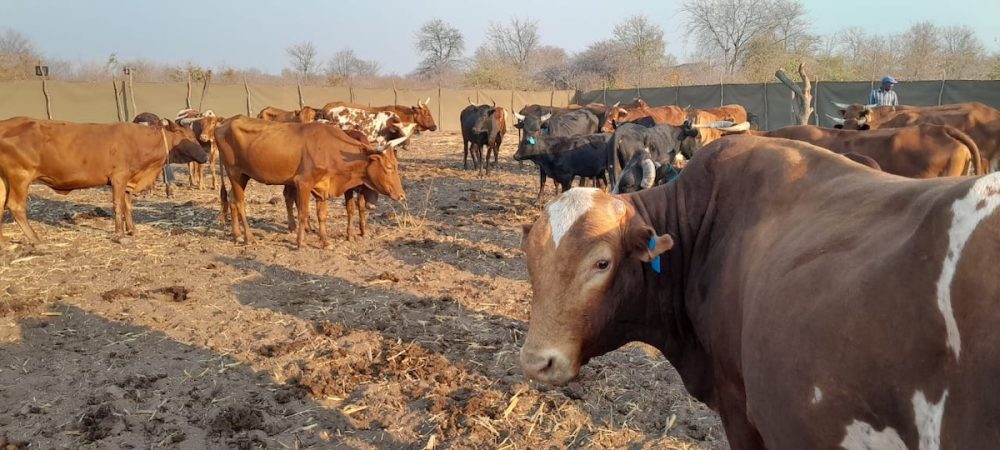
The workers gave him a sturdy gray cloth material to cover the kraal where he keeps his livestock. Called boma, the gray cloth keeps predators like lions from seeing the animals inside. Lions do not attack cows they cannot see.
“The day after the boma was installed, I woke in the middle of the night after hearing noises outside and noticed a pride of lions roaming around the kraal,” Nebiri said. “They were there for hours but could not get through the kraal. They left without attacking a single cow.”
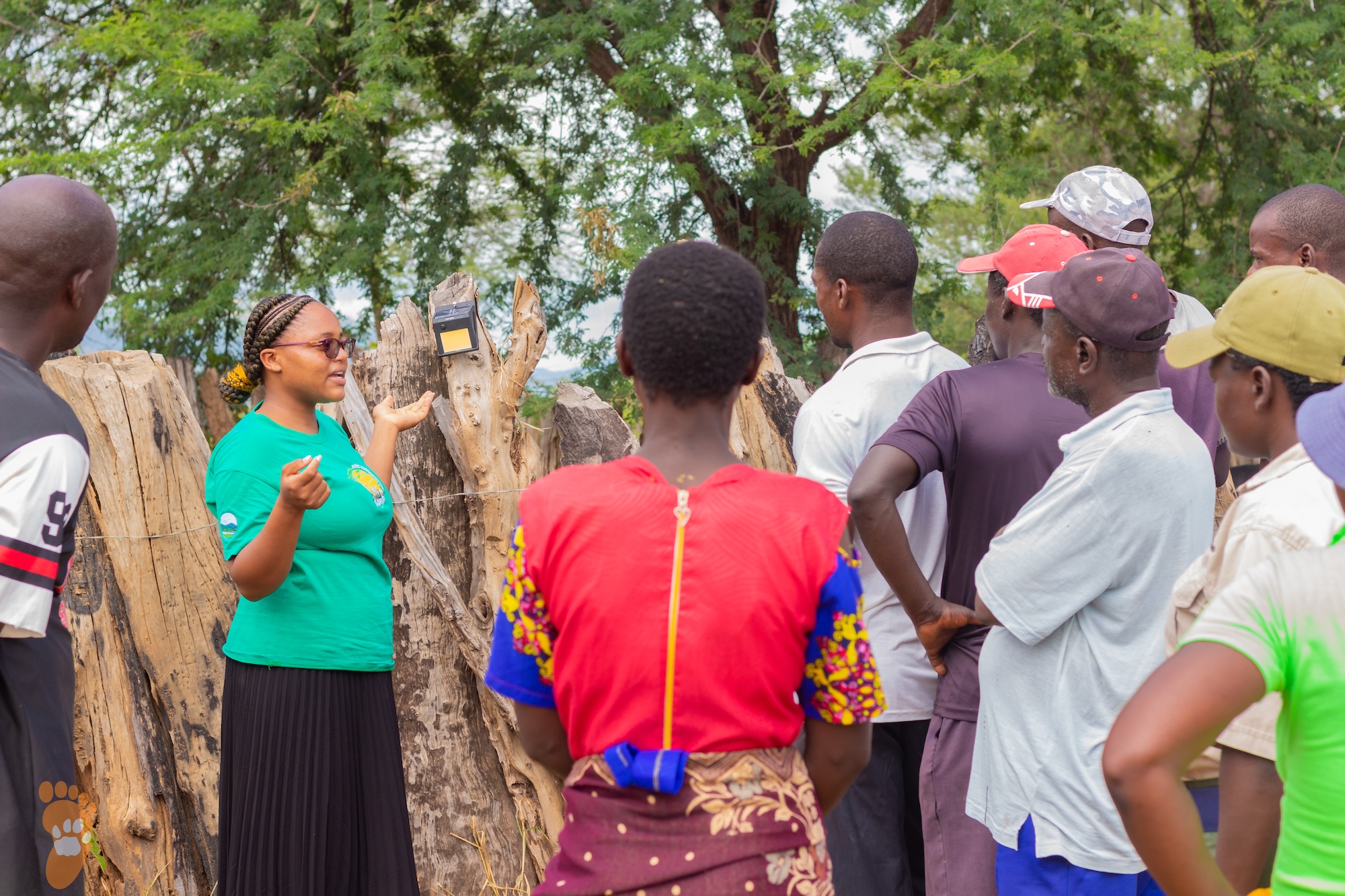
WCA distributes predator-proof cattle bomas and automated LED lights, called lion lights, to keep livestock safe from attacks. Workers encourage community members to build raised kraals to mitigate human-wildlife conflict.
After following this advice, Nebiri now has six cows, and community members without bomas bring their cows to his house for security during the night.
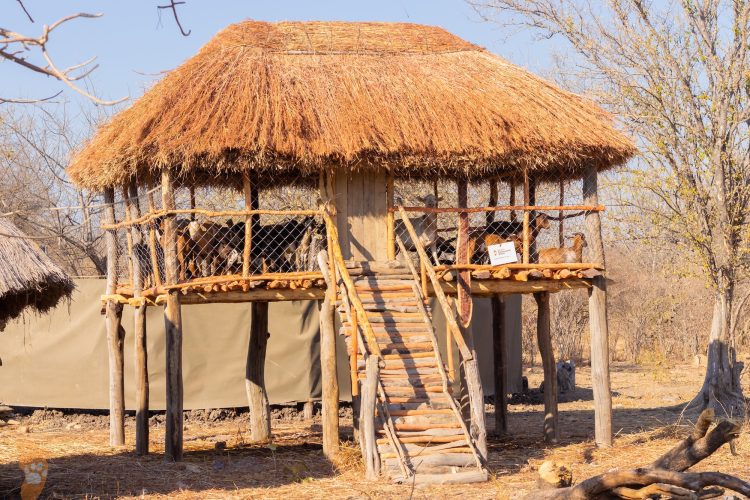
His next project is building a raised kraal for his goats. Built on wooden poles about 2 meters off the ground, the kraal provides effective predator protection for small livestock.
WCA has installed 300 lion lights, which mimic the movement of a person patrolling with a flashlight to trick lions into believing someone is watching them, and 150 mobile bomas, which are portable enclosures that allow farmers to move their livestock to different grazing areas, protecting at least 1,000 cows in Kariba.
“We also educate communities on livestock management through the 18 community guardians we have in the area,” said Kudakwashe Chuma, a district programs coordinator at WCA. Community guardians live within communities frequently in the path of animals like lions and elephants. They provide rapid responses to human-wildlife conflict, monitor wildlife movements, support early warning systems for approaching predators, and build trust between communities and conservation partners.
To villagers like Nebiri, raising livestock is not only about food security. It offers economic stability. They sell their animals to settle school fees and medical bills. One cow can fetch as high as US$300, while a goat fetches US$30.
“I make a living from farming and rearing cattle,” Nebiri said. “I sell the goats or cows to look after my family. With recurring droughts, farming is no longer viable, so I use proceeds from selling goats and cows to buy food for my six children.”
Out of this necessity, the Kariba community embraced the bomas and is at the forefront of constructing raised kraals, said Chuma of WCA. And it’s paying off.
“We have recorded zero incidents inside the boma,” Chuma said.
In Zimbabwe, wildlife conservation is widely dominated by international organizations and trusts founded by white people. WCA is the only wildlife conservation organization founded by a Black woman. Born in Zimbabwe, conservation biologist Moreangels Mbizah grew up in Chiredzi, a small town in the southeast. She founded WCA after an American trophy hunter killed a famous lion she spent years studying and tracking in Hwange National Park.
Established in 2019, the organization places communities at the center of conservation, rather than treating them as beneficiaries of externally designed solutions as mainstream conservation organizations have historically done when addressing human-wildlife conflict.
“We prioritize prevention rather than response,” Mbizah said. “Instead of waiting until crops are destroyed or livestock are killed, we invest in community preparedness, predator-proof livestock bomas, crop protection methods and awareness programs.”
The organization combines local knowledge with science to build solutions that stick.
“Our work integrates community observations with technologies such as GPS tracking, camera traps and EarthRanger to improve decision-making,” Mbizah said. These early warning systems alert villagers when animals like lions encroach their communities.
In this way, WCA recognizes coexistence as both a conservation and development issue. “Alongside conflict mitigation, we promote land restoration, sustainable livelihoods, and environmental education to strengthen community resilience,” she said.
WCA helps villagers diversify their sources of income to become less dependent on livestock, for example. The organization supports them in learning beekeeping and building community gardens. The money they earn from selling honey and vegetables improves their livelihoods, complementing proceeds from selling goats and cows.

In northern Zimbabwe, villagers encounter a variety of wildlife in their everyday routines. Here, human-wildlife conflict isn’t limited to predators.
Wilson Charumbira lives in Kafurira, another village in Kariba district, and his ready-to-harvest maize crop was once wiped out by a herd of elephants in the night. He attempted to use a light to scare them away, but it did not help. He looked on miserably as the elephants feasted on his maize crop, a staple food for many in Zimbabwe.
“We had to survive on gifts from other villagers that year,” Charumbira said. “It was terrible.”
African elephants from the nearby Matusadona National Park roam the fertile valley-floor at night, seeking water and lush greenery.
Zimbabwe is home to Africa’s second largest elephant population due to ongoing conservation and anti-poaching efforts. Their numbers exceed 80,000 against a carrying capacity of about 45,000 in all protected areas, and competition for land between elephants and humans is intensifying.
Though the growing elephant population is part of the discussion around conflict prevention, it is not the major driver of human-wildlife conflicts, WCA’s Mbizah said.
“In many landscapes, the challenge is less about total numbers and more about the concentration of elephants around limited water sources during the dry season, combined with shrinking habitat outside protected areas,” she said. “In Zimbabwe’s Zambezi Valley, these pressures create predictable hotspots where conflict occurs year after year.”
Charumbira, whose farm sits in one of these hotspots, now works with WCA to co-exist with the elephants. He built a fireguard and a fence with wooden poles on the perimeters of his farm, and he hangs a cloth soaked in a potent mixture of chili oil along the fence to deter elephants from ravaging his crops. Elephants have a powerful sense of smell and sensitive trunks, making them strongly averse to the pungent, burning sensation of chili.
“This is helping us,” said Charumbira, who also lives on the edges of Matusadona National Park. He harvested nearly 1 tonne of maize this season, which is enough to feed his family throughout the year.

WCA has expanded into the Mbire and Binga districts of Zimbabwe, and 24 community guardians live throughout the communities. So far, over 10,000 households across the three districts have adopted non-lethal conflict mitigation measures, including predator-proof livestock bomas and elephant deterrent fences, as a result of the organization’s work. Incidents of human-wildlife conflict have fallen by as much as 98 percent in Mbire, according to WCA.
Though predator-proof livestock bomas have proven effective across the districts, they are not without challenges, WCA founder Mbizah said. The bomas’ lifespans are short, as high temperatures wear on them, and they need replacement from time to time. But with good management, even under severe weather conditions, they often last beyond five years.
Still, initial construction costs remain high for many households, and bomas only protect livestock at night, as predators can still attack them when grazing in the daytime.
“Good herding practices remain essential during the day,” Mbizah said.
While chili barriers and bomas are working to reduce-human wildlife conflict, more early warning systems are needed to alert communities of approaching animals by day, said Musakwa of the Zimbabwe Parks and Wildlife Management Authority.
In the meantime, after finally quelling the steady loss of cows to predators over the years, Nebiri said he is happy to share the lessons he learned with fellow villagers on the edge of Matusadona National Park.
“I was almost giving up on cattle rearing,” he said. “But now there is hope.”
Source: TriplePundit • As Human-Wildlife Conflict Rises, Zimbabwean Communities Find New Ways to Coexist