


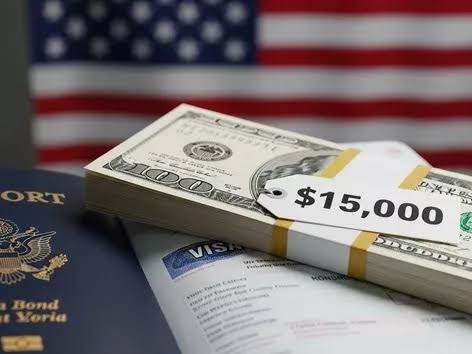
The bond amount is $10,000, $15,000, or $20,000, depending on the applicant.
The new permanent rule took effect on August 3, 2026. It replaces the 12-month pilot program that launched in August 2025.
The bond is an extra requirement on top of the normal visa process. Applicants still need a valid passport, a completed DS-160 confirmation page, proof of payment of the visa application fee, an interview appointment confirmation and a compliant U.S. visa photograph.
Depending on the case, a consular officer may also ask for evidence of the trip’s purpose, financial circumstances, employment and other ties to Zimbabwe.
Why Zimbabwe Is Included in the US Visa Bond Program
The State Department currently lists Zimbabwe among 50 countries whose nationals are subject to the U.S. Visa Bond Program.
The program targets certain B-1 and B-2 applicants from countries the U.S. government has flagged using factors such as visa overstay rates, information-sharing practices, identity verification, criminal-record information, screening and vetting, and the security of travel and civil documents. The permanent rule describes the bond as a way to encourage visitors to maintain their status and leave the U.S. when required.
Being a Zimbabwean citizen doesn’t mean every visa applicant must pay a bond. The program applies only to covered nationals who are otherwise eligible for a B-1 or B-2 visa. Other visa categories aren’t automatically covered.
US Visa Bond Program Explained. Rules, Costs, Countries, and Payment Process
How Much Is the US Visa Bond for Zimbabweans?
Under the new permanent rules, the bond can be set at $10,000, $15,000 or $20,000. The consular officer decides the amount based on the applicant’s individual circumstances.
$15,000 is expected to be the standard level in many cases, but applicants shouldn’t assume they’ll automatically be charged that amount. The officer sets the applicable figure during the visa process.
The bond is separate from the regular U.S. visa application fee, and paying it doesn’t guarantee visa approval. Applicants must still meet the normal requirements for the visa they’re requesting.
How Does the US Visa Bond Work?
The process starts with the regular visa application. The applicant completes the DS-160, pays the visa application fee and attends the interview. If the consular officer determines a bond is required, the applicant then receives instructions on how to post it.
The State Department says applicants should submit bond documentation and payment only after being directed to do so by a consular officer. Applicants receive a direct payment link to the U.S. Treasury’s Pay.gov platform and should not use third-party websites or services to pay the bond.
The bond can be paid by the applicant or by someone else, such as a family member, friend or business associate. Whoever actually posts the bond becomes the “obligor”: the person the refund goes to if the bond conditions aren’t breached.
The bond is intended to be refundable when the traveler complies with its conditions. The money is held as a financial guarantee rather than as an additional visa processing fee.
However, the entire bond can be forfeited if the traveler substantially violates the terms and conditions attached to it.
The bond is paid and returned in U.S. dollars. The State Department also says that the obligor is responsible for exchange-rate fluctuations.
The US Visa Bond Is Not the Only Change for Zimbabweans
The permanent visa bond program comes as Zimbabweans also face a change in where they can get routine U.S. visa services.
The State Department announced that, effective August 1, 2026, routine visa services in Harare would move to regional visa hubs. The change affects both immigrant and nonimmigrant visa processing, including tourist and business visas. Applicants from affected countries must schedule appointments at the designated processing locations.
The State Department has also told nonimmigrant visa applicants from countries without routine visa operations to apply at a designated processing post, unless they qualify for another arrangement. Applicants who apply outside their country of nationality or residence, or outside a designated post, may face extra difficulties and should check the latest instructions before booking an appointment.
For Zimbabweans, this means applying for a U.S. visitor visa can now involve extra planning and travel outside the country. Applicants should confirm the exact designated location through the latest State Department instructions before making travel arrangements.
The relocation of routine visa services doesn’t remove or change the visa bond requirement. The State Department says explicitly that the bond requirement stays in place alongside the regional realignment.
What Does the New Rules Mean for Zimbabwean Travelers?
For Zimbabweans planning a short business or tourist trip to the U.S., the visa process has become more financially and logistically demanding for those covered by the bond program.
The application itself remains necessary, and applicants must still show they qualify for the visa. But eligible Zimbabwean B-1/B-2 applicants can now also face a refundable financial requirement of up to $20,000. At the same time, the shift toward regional visa processing means applicants may need to travel outside Zimbabwe just for routine visa services.
The program being permanent also means it’s no longer limited to the original one-year pilot. The State Department can keep adjusting the list of covered countries, adding countries on a rolling basis after a notice period, and removing them with immediate effect.
Post published in: Business