


We the undersigned Civil Society and Community Based Organizations do hereby express our reservations with the ongoing sand mining activities at Cleveland Dam in Harare.
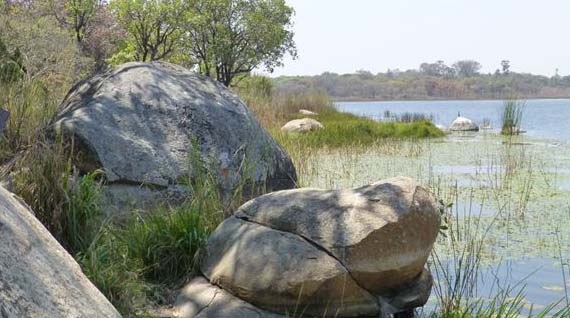
The sand mining activities, which have been going on unabated, despite concerted efforts to engage law enforcement agents and government departments pose a real threat to Cleveland Dam, which is an internationally recognised wetland under the Ramsar Convention which Zimbabwe signed in 2011.
Zimbabwe has seven internationally recognised wetlands under the Ramsar convention which provides a framework for wetlands conservation and encourages nations to promote sustainable utilization and conservation of wetlands.
Our observations on the ground have revealed that Cleveland Dam is currently under siege from sand mining activities with an average of 30 trucks per day ferrying sand from the Ramsar site which covers 2 500 hectares and is a key biodiversity area.
The wetland is severely depleted as gullies are all over.
It is also discouraging to note that in Harare, wetlands continue to be depleted due to illegal construction activities, sand mining, pollution as well as agricultural activities among other factors. This is despite the fact that these wetlands serve as water sources for Harare.
We reiterate the importance of wetlands for sustainable development and their centrality to human well being hence the need for concerted efforts to protect these important water sources and key biodiversity areas.
This is key in the achievement of Sustainable Development Goals (SDGs) by 2030.
Going Forward
By virtue of Zimbabwe being a signatory to
the Ramsar Convention on the Protection of Wetlands, there is a compelling need for the government to put in place strict measures to protect wetlands as important water sources that are critical for human well-being and serve as special habitats for several forms of plants, birds and animals. Wetlands also play a crucial role in climate change mitigation.
Legislation that provides for wetlands protection in Zimbabwe include the Environmental Management Act (Chap 20;27), Statutory Instrument 7 of 2007 on Environmental Management (Environmental Impact Assessment and Ecosystems Protection) Regulations and the Government Gazette 380 of 2013.
As the City of Harare is in the process of updating its Master Plan, we recommend
that an updated Masterplan for Harare must appreciate the fact that the future sustainability of the capital is dependent on wetlands preservation and environmental sustainability. Harare’s outdated Masterplanmakes little reference to wetlands and their invaluable services for the City of Harare. This has paved the way for chaotic land allocations (including on wetlands) which often disregard environmental sustainability.
Land use planning in Harare has largely failed to integrate the issue of wetland ecosystems and this has come with heavy costs for the city.
Proper land use planning in Harare should incorporate the need to protect wetlands in line with the vision of sustainable development of the capital. There is therefore a need to critically
examine the state of the city’s wetlands with a view of sustainably managing them.
Conducting a detailed study of the environment and the state of wetlands to allow for appropriate measures to be taken in protecting the environment is critical.
A number of wetlands in Harare need restoration after having been damaged while the remaining ones need to be served from invasion/destruction.
Development and implementation of Local Environmental Action Plans (LEAPs) as stipulated by the Environmental Management Act is also critical for the protection of wetlands. Effective town planning should be anchored on environmental sustainability and sustainable growth and development of the capital.
It is important to note that community stewardship is critical for the protection of wetlands and there is a need to mobilize grassroots communities to preserve these important water sources for human well being.
More importantly, we call upon law enforcement agents and government departments to enforce the law without fear or favour as we move to protect wetlands in Harare.
Signed By;
Cleveland Action Alliance
Manyame Conservation Trust
Network for Environmental and Climate Justice
Residents Against Land Degradation
Post published in: Featured