


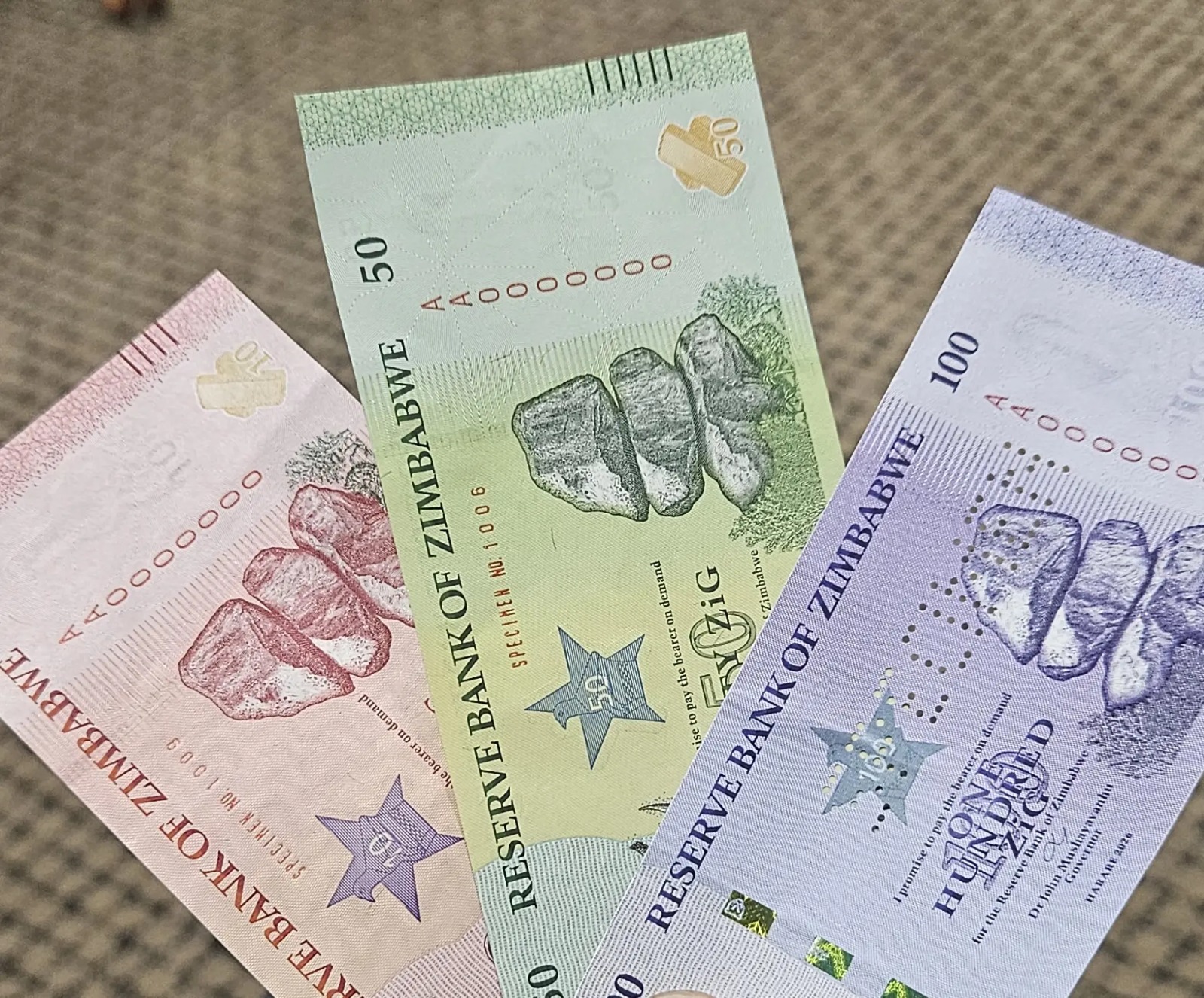
Speaking on Monday at the launch of the new Ecobank headquarters in Harare, which was officiated by President Emmerson Mnangagwa, the Governor sought to put to rest speculation that the country will switch to a mono-currency on a predetermined date.
Mushayavanhu said the timing of the transition will be market-led and contingent on conditions set out under the National Development Strategy 2.
Thes include durable macroeconomic stability, adequate foreign currency reserves and an efficient foreign exchange management system.
“Let me reiterate that the transition to mono-currency, which has been talked about, is going to be market-led,” he said. “It is no longer date-based, but contingent upon meeting conditions outlined in the National Development Strategy 2.”
On that basis, he warned banks against curtailing lending on the assumption that a mono-currency would be in place by 2027.
“Banking institutions should not limit lending tenures to 2027 because the transition to mono-currency is no longer date-based, but is based on the conditions presented,” he said.
Mushayavanhu said Zimbabwe had already made progress on some of the key requirements, particularly in maintaining low and stable inflation and establishing an efficient foreign currency management system.
However, he acknowledged that the reserve position remains well short of the target. Zimbabwe is seeking to build forex reserves equivalent to three to six months of import cover in the medium to long term, but is currently at about 1.7 to 1.8 months.
“Currently, we are sitting at about 1.7 to 1.8 months of import cover; we still have a way to go, but we will get there,” he said.
Import cover measures how long a country’s foreign currency reserves can finance its imports, providing a buffer against external shocks and foreign currency shortages.
At its present level, Zimbabwe will need to substantially strengthen its reserves to reach even the lower end of the three-month threshold.