


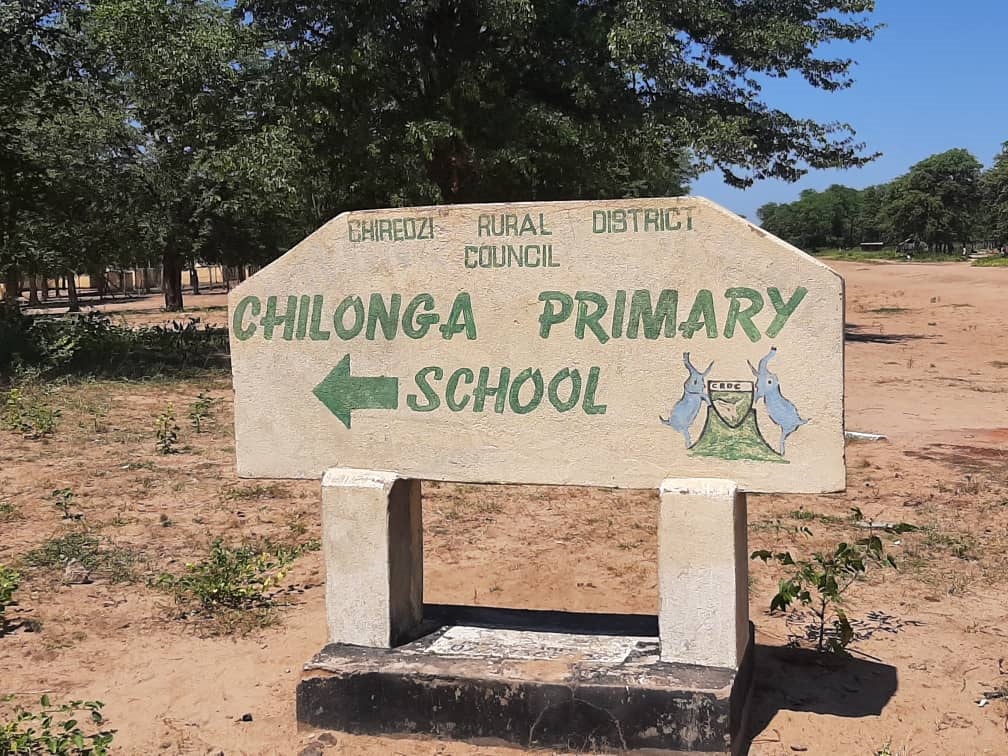
The activists claim that some families perceived to be opposed to the government’s plans to relocate thousands of villagers from Chilonga have been left out of food assistance programmes being implemented in the area.
The allegations come against the backdrop of heightened tensions in Chilonga, where the predominantly Shangani community is facing displacement to make way for a lucerne grass farming project.
The government gazetted Statutory Instrument 50 of 2021, directing about 12,000 villagers to vacate approximately 13,000 hectares of land earmarked for the project.
The Director of the Masvingo Centre for Research and Development (MACRAD), Ephraim Mutombeni, said the alleged exclusion of activists from food assistance programmes was worrying and could further deepen the vulnerability of affected families.
“Some of the families that are actively resisting the evictions are reporting that they are being left out of food aid programmes,” Mutombeni said.
He said the allegations needed to be investigated to establish whether access to food assistance was being influenced by villagers’ positions on the proposed evictions.
“Food assistance should not be used as a tool to punish people for exercising their rights or expressing their concerns over land and displacement,” he said.
According to activists working with the community, some families are already facing increased economic pressure as a result of restrictions and uncertainty surrounding their land and livelihoods.
The activists said the alleged exclusion from food aid was particularly concerning for vulnerable households, including women, children, elderly people and families with limited sources of income.
MACRAD has been advocating for the land and property rights of the predominantly Shangani Chilonga community and has mobilised against the planned evictions.
The organisation has previously raised concerns over alleged surveillance and intimidation of villagers, traditional leaders and civil society activists opposed to the displacement plans.
The latest allegations have raised questions about the transparency and fairness of the distribution of food assistance in the area.
Authorities responsible for the food aid programmes had not, by the time of publication, publicly responded to the allegations.
Community activists have called for food assistance to be distributed on the basis of need rather than political affiliation or a person’s position on the Chilonga evictions.
The Chilonga dispute has remained a contentious issue, with civil society organisations calling for the protection of the community’s land rights, livelihoods and cultural heritage.