


Forecasters had warned of storm surge of 5 to 7 feet, rising to 9 feet in places, and rainfall of 4 to 8 inches, with isolated totals as high as 15.
The storm did roughly what the forecast said it would, and hundreds of thousands of households still spent the night in the dark.
I take that as the useful lesson here, and it applies well beyond Florida. A forecast is the cheapest part of disaster management. The expensive part is everything that has to exist before the forecast arrives: crews, equipment, stockpiles, evacuation routes, working communications.
The United States, with the best forecasting in the world, still could not keep the lights on, and it knew that in advance. What it could do was arrange the recovery beforehand. Alabama Power said more than 5,000 additional crews from nearly 25 states were on their way to help restore service.
Utilities don’t assemble a workforce of that size on the Saturday morning after a storm. Someone built the mutual-aid agreements, paid for the standby capacity and rehearsed the logistics long before Isaias had a name.
Zimbabwe has a better case for caring about this than most, and a thinner record to show for it.
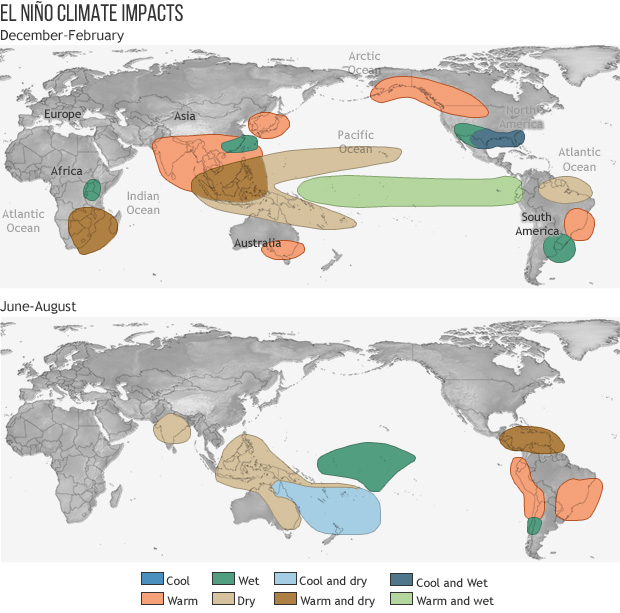
The country is exposed to drought, flood and cyclone, sometimes in the same year, and the Meteorological Services Department’s outlook for the coming season already points to below-normal rain due to El Nino.
A dry season brings its own emergencies, and the rains that follow can bring floods. When the Thomson Reuters Foundation reported on an earlier round of floods that killed around 20 people, it found that the Civil Protection Unit had been caught unawares, which exposed the absence of effective early warning for extreme weather.
A university meteorologist quoted there said economic hardship had shrunk the state’s capacity to deal with climate disasters.
The numbers behind that capacity have been painful for years. When Cyclone Idai struck in 2019, the Department of Civil Protection had about $2.36 million for the year to run early warning, communication campaigns, evacuations and rescue, and just $68,000 of it for goods and services. Its director had already described the unit as operating on a shoestring. Those are older figures, and the currency has changed since. But the pattern persists.
As the 2025-26 rainy season approached, the CPU announced that its systems were activated from national to grassroots level, and the local government minister said disaster risk management was no longer about reacting after the event. In the same report, officials conceded that some projects remained unfinished because of funding constraints.
Early in 2024, one report put the department’s needs at US$300 million to face disasters. I can’t tell you what the true figure should be, but a gap between what the department says it needs and what it receives of that order is a policy decision, however it is described.
The arithmetic on the other side is unusually clear. An EU humanitarian official, announcing €1.5 million for community early-warning and preparedness work in Manicaland, Mashonaland Central and Matabeleland, said every dollar invested in preparedness saves seven in damages and reconstruction. The ratio is an official’s estimate and should be read that way, but the direction is hard to dispute. Money spent on pre-positioned supplies, safe evacuation centres and warnings that reach villages in time costs far less than a rebuilt road, a lost harvest or a funeral.
It is also revealing that so much of that work in Zimbabwe has leaned on donors. A previous report found donors funding most preparedness programmes while the state struggled to pay for the basics.
A government cannot be held responsible for the weather, and nobody serious asks it to be. It can be held responsible for what it did with the warning time. Florida’s utilities used theirs to move crews and equipment across half the country, and still left hundreds of thousands without power.
Zimbabwe’s government should ask what it would do with the same notice, and the honest answer, for now, is less. The remedy is dull: a disaster budget that is protected, published and spent before the season, supply stocks in the districts that flood, and warnings that reach people in the language they speak, on the phones they have, with enough hours to act.
The rains will come, or fail to, whatever the heavens decide. What matters is how many people, by then, have somewhere to go, or something to eat.
Post published in: AgricultureKumbirai Thierry Nhamo || Social Justice ActivistEmail: kumbiraithierryn@gmail.comPortfolio: https://muckrack.com/kumbirai-thierry-nhamo/