


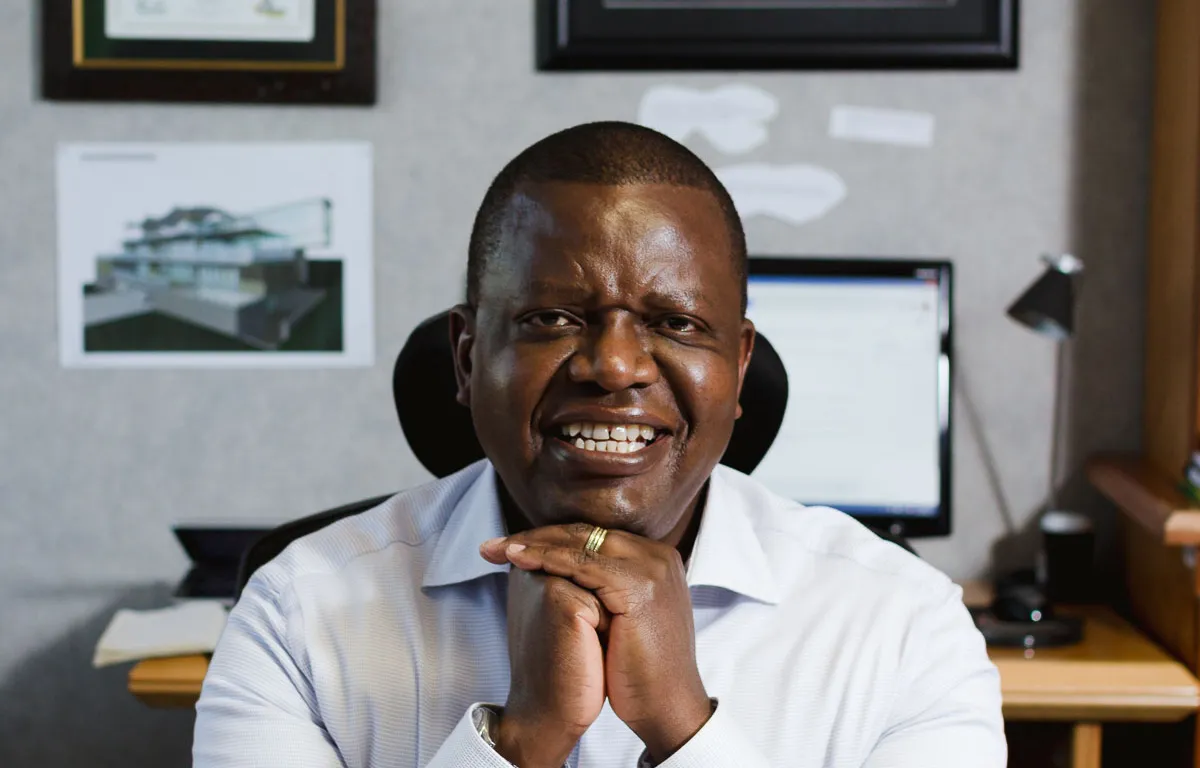
Trevor Ncube has built his public standing on the case for a free press. Last month his own publishing company is reported by ZimLive to have gone to the High Court against 36 of its employees. ZimInd Publishers, which publishes NewsDay, The Standard and the Zimbabwe Independent, is claiming US$100,000 over statements it says were defamatory, in a summons dated September 25, ZimLive reports. The defendants include reporters as well as other staff.
The dispute is said to have begun at an all-staff meeting on March 5 chaired by Ncube. The company says employees had been told to keep their phones away, stayed glued to them anyway, and afterwards passed statements to journalists, other media houses, colleagues, family members and the public. The statements allegedly portrayed the company and its chairman as cruel and insensitive, and said salaries were being withheld out of malice and corruption. ZimInd denies all of it.
The company is entitled to sue, and the employees’ allegations are unproven. I don’t know what was said at that meeting or afterwards, and the court will have to decide. But a lawsuit is also a series of choices, and this one reaches for nearly every lever available. There are 36 defendants.
ZimInd also wants an unconditional retraction and apology, in terms the company approves, published within seven days in its own media and on LinkedIn, plus an interdict against repeating the statements and punitive costs. Split evenly, US$100,000 comes to roughly US$2,800 a head.
A commentary in ZimLive notes, however, that the defendants are sued jointly and severally, which in principle lets a plaintiff pursue any one of them for the whole sum. For a journalist at a private newspaper, that is a figure that can end a career.
The detail I find hardest to take seriously is the telephones. A staff meeting about pay, a chairman who asked people to put their phones down, and a defamation claim that opens with a breach of that instruction. It reads like a disciplinary complaint dressed up as a tort. Whatever the lawyers intended, a newsroom will take away a simple message: a company meeting is a place to keep quiet.
The central question is also a simple one, and it can be answered without a High Court. Were the staff paid on time? Payroll records settle that.
The same commentary says that on the day of the meeting, Ncube published an open letter headed “On Our Failure to Pay Staff,” which it argues is difficult to square with a claim that the salary allegations are false. It does show where the weight of the dispute lies. If the allegations are false, the company can show why, publicly and cheaply. If they are even partly true, the lawsuit makes the problem worse.
Ncube has been on the receiving end of this kind of power. In 2007 the International Press Institute and the World Association of Newspapers accused Harare of trying to silence dissent by attempting to strip him of his citizenship. A High Court judge ruled in his favour, ordered the state to renew his passport and awarded punitive costs against it. He knows what it feels like when a government turns legal process on a publisher, and he said so loudly at the time. Punitive costs are now being sought against his own staff.
His newspapers also spend a good deal of print on unpaid workers elsewhere. NewsDay has reported on council employees at Kadoma downing tools over salary arrears, for instance, and the editors who ran such stories understood perfectly well why workers speak out when pay stops.
It is hard to ask readers to take that coverage seriously while the same company demands that its own workers retract their account of pay.
A union is acting for them. The Zimbabwe Graphical Workers Union represents the defendants, and Magoge Law acts for ZimInd. That union exists precisely so that a worker with a pay grievance has somewhere to take it other than a courtroom in which they are the accused.
My view is that ZimInd should withdraw the suit, publish what it owes, if it owes, and when it will pay it, and answer the allegations with documents. A proprietor can defend his name. He cannot expect a newsroom to believe in the freedom to criticise power when the criticism is of him.
The court will rule on the words. The rest of us can already judge the decision to sue.
Post published in: FeaturedKumbirai Thierry Nhamo || Social Justice ActivistEmail: kumbiraithierryn@gmail.comPortfolio: https://muckrack.com/kumbirai-thierry-nhamo/