


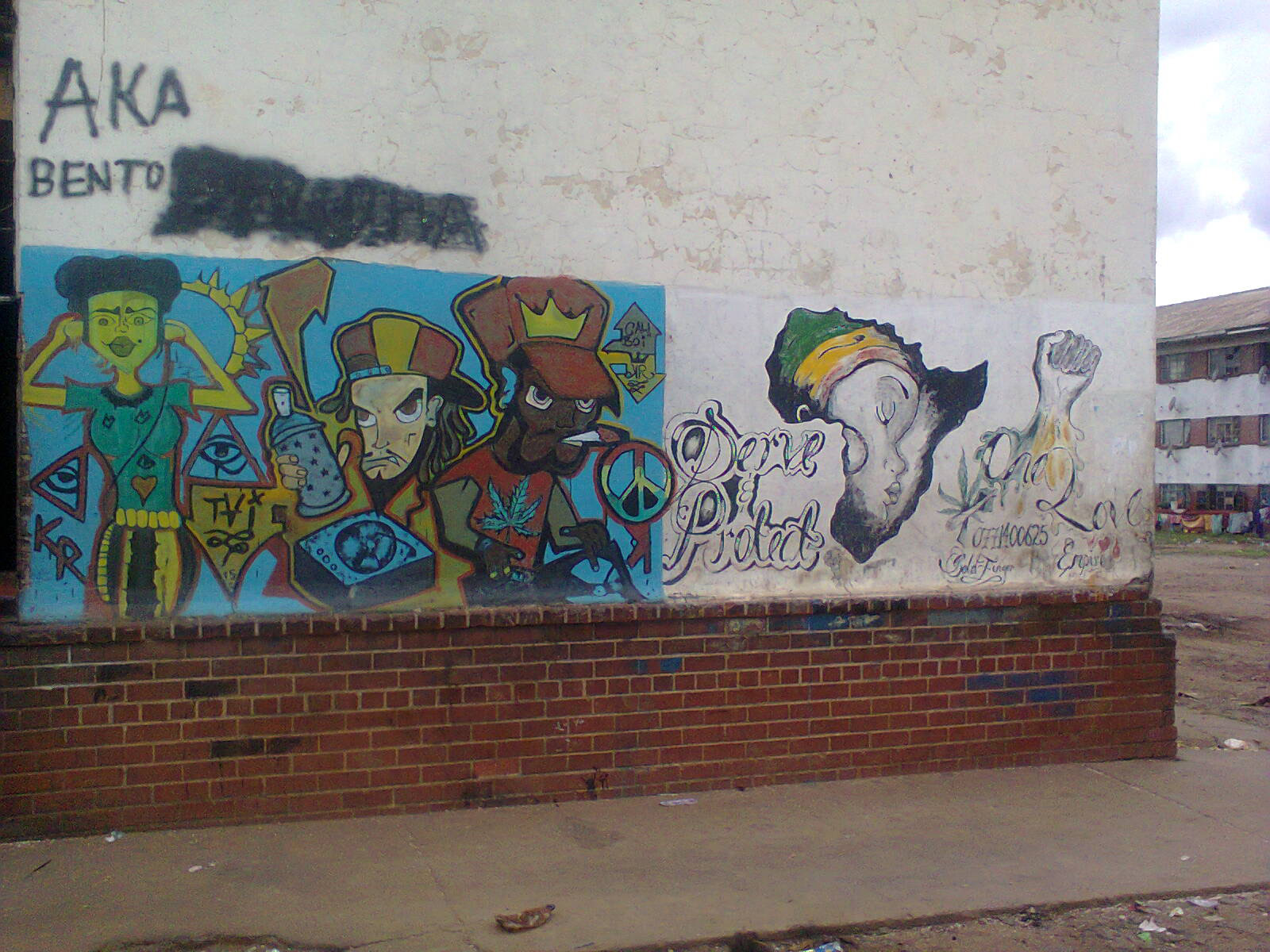
 I smell something familiar here, and I don’t mean the weed, or not literally.
Paintings on walls in Mbare’s Occupied Zone don’t appear, and certainly would not stay long on the wall if they weren’t sanctioned by ZANU-PF.
Older readers will remember how in the 1960s we could tell the mood of the then rulers by the strength of our Rufaro mhamba at weekends. (Younger readers might need reminding that Rufaro Marketing had a monopoly on the sale of African beer in Harare; Chibuku could only be smuggled in, which meant that if you could get it, you paid more. But that is a digression.) If Rufaro was stronger than usual, it meant They were feeling nervous about something. They couldn’t be sure whether we’d heard all they had, or whether they’d heard all we knew, but there was a hint of trouble in the air, so they gave us stronger beer to reduce us faster to a happy insensibility.
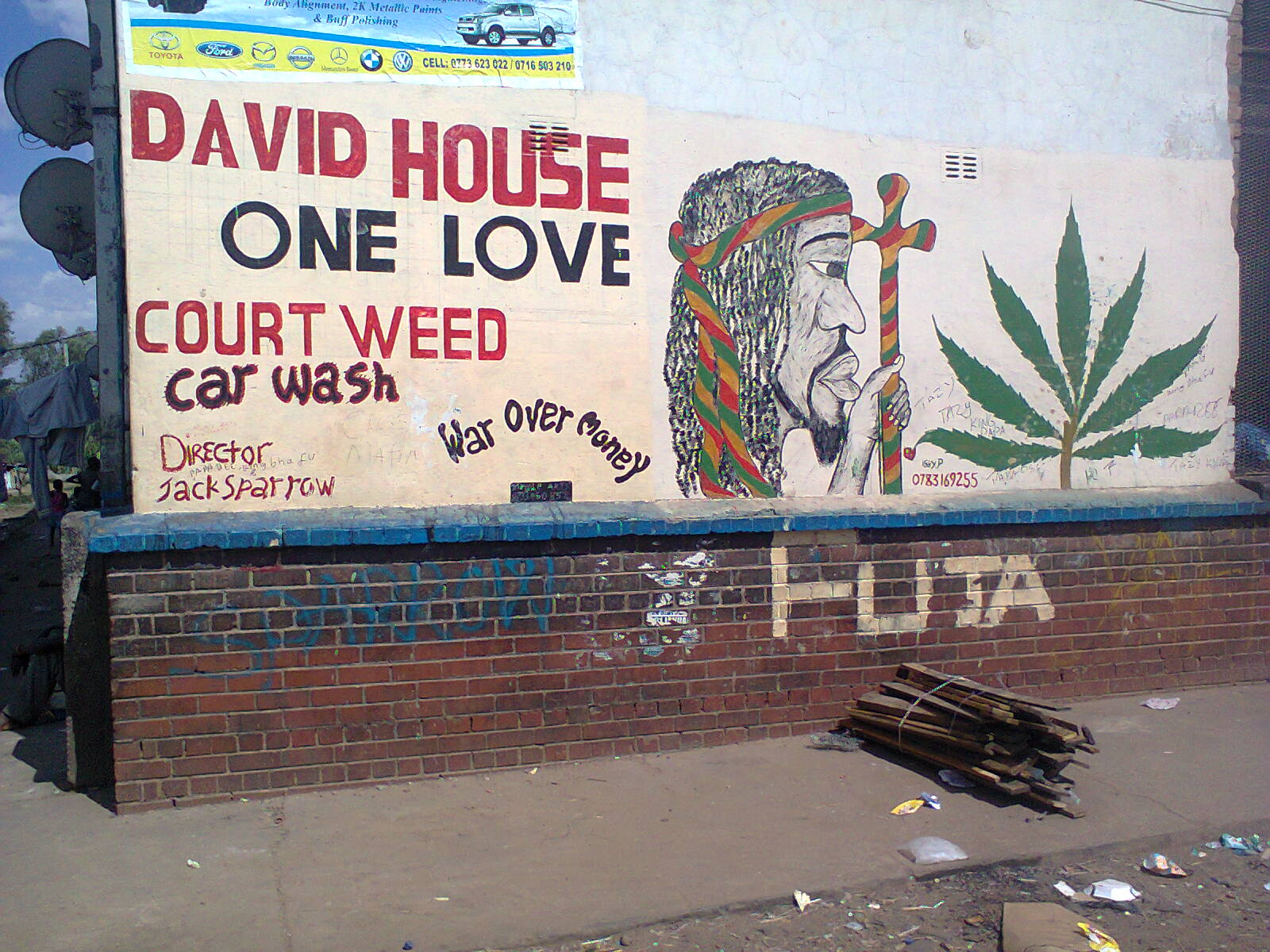
That’s a pretty crude way of manipulating a restless population, just the sort of thing you’d expect from a bunch of unsubtle boers, but has much changed? Less of us can afford to go out to drown our sorrows at weekends, but somehow the younger men, the age group They always find more troublesome, obviously have cheap ways of getting at intoxicants that are a lot stronger than our imaginations or our pockets could encompass in those long-ago days. When St.Peter answered the Jews at that first Pentecost who thought he and the other apostles were drunk, he obviously thought his argument was convincing: “but it’s only 9am!†Nobody in Jerusalem would be drinking that early in the day.
But Peter never lived in Mbare, where you see guys staggering around and hear them babbling incoherently as early as 6am. And however close you get to some of them, you don’t smell alcohol on their breath. There are other intoxicants around these days, some of them are smoked rather than drunk and a whole range of them seem to be alarmingly easily available. Mbanje is comparatively mild, but it does lead a lot of desperate people here on to stronger stuff; the sort of spirits you can buy for $1 per 200ml bottle, a range of pharmaceuticals, favourites being the stronger kind of liquid cough medicine (“on prescription onlyâ€), but the real hard drugs are widely available in the smarter parts of town. Elsewhere one would expect that sooner or later, the suppliers to the northern suburbs would start lacing our local intoxicants with something more addictive. That’s the way they expand their business.
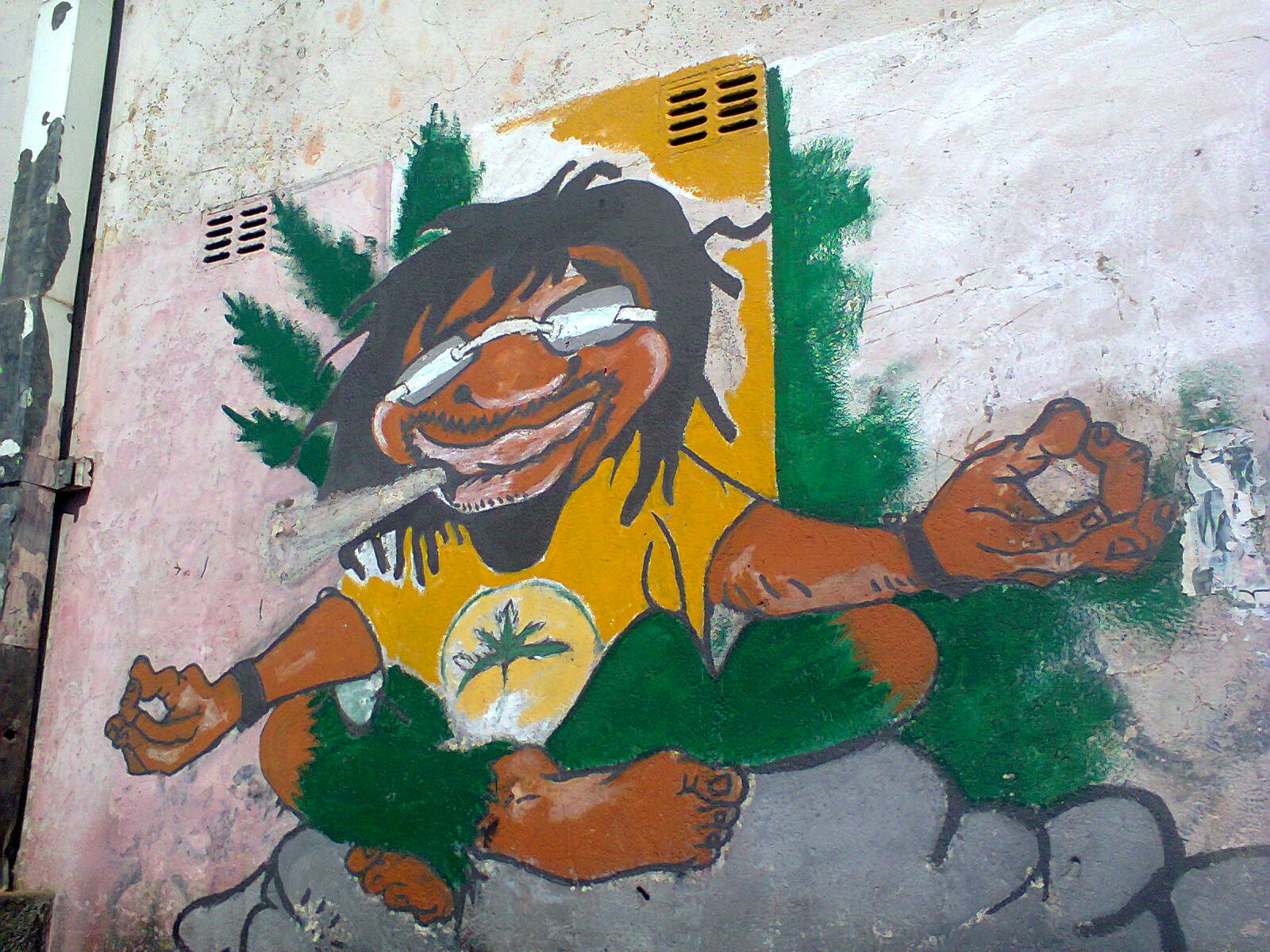
Now think what power the US government would have had if they’d thought of taking control of the supply of illicit intoxicants. But no government would do that to their own people, would they?