


This presents an ideal opportunity for Zimbabwe to lead the way in terms of wetlands protection.
Zimbabwe, a signatory the Ramsar, International Convention on the Protection of Wetlands has the obligation to fulfil local regional and international commitments on wetlands protection.
Legislation that provides for wetlands protection in Zimbabwe include the Environmental Management Act (Chap 20;27), Statutory Instrument 7 of 2007 on Environmental Management (Environmental Impact Assessment and Ecosystems Protection) Regulations and the Government Gazette 380 of 2013.
These pieces of legislation outiine regulations for Environmental Impact Assessments and Ecosystems Protection.
According to the Environmental Management Agency (EMA), 82% of the country’s wetlands are moderately to severely degraded, with only 18% remaining in a relatively undisturbed state (Zimbabwe National Wetlands Policy, 2022).
Harare has seen a dramatic loss of 50% of its wetlands over the last two decades, and without urgent action, the city risks losing the remaining wetlands in the coming few years.
The Harare Wetlands Trust (HWT) is concerned that the continued degradation of wetlands in Harare will negatively affect the sustainable development of the city.
This article will focus on the City of Harare which is located on top of the watershed in the headwaters of its river systems and this implies that the city’s wetlands serve as water sources.
However, the continued destruction of these wetlands continues to worsen the erratic water situation in the capital with statistics indicating that Harare has lost over 50 percent of its wetlands in the past two decades.
This has also largely contributed to erratic water supplies and poor water quality and negatively impacting on citizens’ right to water as enshrined under Section 77 of the Zimbabwean constitution which guarantees the right to safe, clean and potable water and obligates the state to take measures to ensure the realisation of this right.
Major threats to wetlands in Harare include unplanned developments, urban farming, pollution and sand mining among other threats. The destruction of wetlands in Harare continues to affect water quality (given the wetlands’ critical role in purifying water) amid reports that Harare requires USD2 Million monthly for water purification.
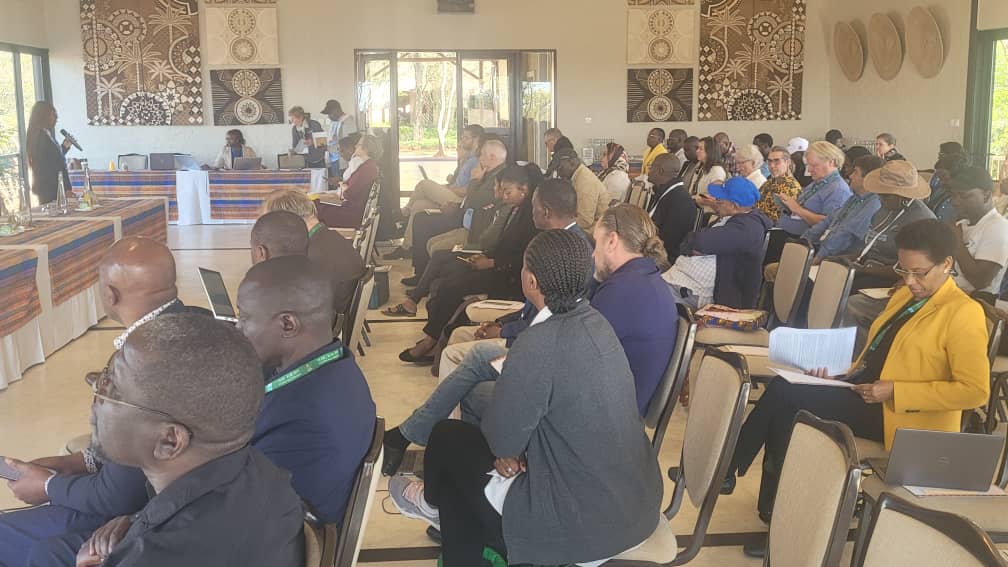
During COP15, stakeholders concurred that community stewardship and a human rights based approach is critical in preserving and protecting Harare’s water sources. This, they say, entalls protectling the right to clean, safe anid potable water.
Prior to COP15, the HWT was on record saying that improved management and protectlon of wetlands is critical in ensuring clean water supply for residents of Harare.
The HWT expressed concern that the ongoing degradation of wetlands has severe implications for the City of Harare’s future development, particularly in the quest for climate smart cities. The loss of wetlands, according to the HWT threatens to worsen the already critical water shortages driven by rapid population growth and urban development, which in turn places immensê pressure on existing water resources.
Stakeholders concur that after COP15 and with Zimbabwe assuming the Presidency of the Ramsar International Convention on the Protection of Wetlands, there is need for the country to walk the talk and lead by example in terms of implementing local, regional and international commitments on wetlands protection.
During a side event organised by Birdlife Zimbabwe in collaboration with other partners at COP15, Environmental and Human Rights Lawyer, Fiona lliff said that opportunities for wetlands protection include full domestication of the Ramsar International Convention on the protection of wetlands, strengthening Zimbabwe’s Environmental Impact Assessment
process, strengthening stakeholder consultation, gazetting wetlands as ecologically sensitive areas and strengthening environmental justice mechanisms.
A Conservation Officer with Monavale Vlei, an internationaly recognised wetland under the Ramsar Convention, Jimmy Muropa said community stewardship is key in protecting wetlands.
“Community stewardship is key in that it provides the eyes and ears on the ground for immediate action to be taken if any immediate threats or challenges are faced.
This has been a success in Monavale as a committee that specifically deals with the wetland have readily engaged with relevant authorities in dealing with issues that might arise,” said Muropa.
The Environmental Management Agency (EMA) Provincial Manager for Harare, Leon Mutungamiri reiterated that post COP15, community stewardship is key in’protecting and restoring wetlands.
“The key lessons and way forward for Harare province is for communities to come up with wetland restoration and conservation projects and come up with community wetland protection initiatives. It is important to include the youths to ensure sustainable wetland management,” said Mutungamiri.
The Chief Executive Officer of Birdlife Zimbabwe, Julia Pierini said her organisation stands prepared to assist the government of Zimbabwe’s efforts in protecting wetlands.
“For Zimbabwe, Ramsar COP15 provided a once in a lifetime opportunity. The convention has only been held in Africa once before and Birdlife Zimbabwe showed up in force to showcase our work and engage in national conversations on wetlands and birds. We look forward to supporting the Zimbabwean government through their Presidency to champion actions for wetland protection and restoration at home and abroad,” said Pierrini.
An independent environmental consultant; Rob Cunliffe said; “There is hope that there will be some form af a legacy project involving government, international partners and local partners and which hopefully will result in some meaningful gains in terms of strengthened protection of wetlands.
As local partners, we look forward to supporting government in its future implementation of the Ramsar Convention and which we hope will address the various concerns as laid out in the pollcy brief”.
Human Rights and environmental Lawyer, Flona lliff said some of the opportunities that come with Zimbabwe taking up the presidency of the Ramsar Convention include enhanced capacity and commitment by the Ministry of Environment, the Environmental Management Agency (EMA) and local authorlties towards wetlands protection.
“There is an opportunity for enhanced international cooperation around wetlands protection including around monitoring reporting, mapping and integrated planning. There is also opportunities for enhanced commitments and international funding support for restoration and protection of wetlands and conservation areas, for example under the Freshwater Challenge. Other opportunities include commitments made by government which include the Wetlands or Biodiversity Act and improving Environmental Impact Assessments frameworks and regulations and enforcement of environment al laws;” said lIff.
Post published in: Featured