


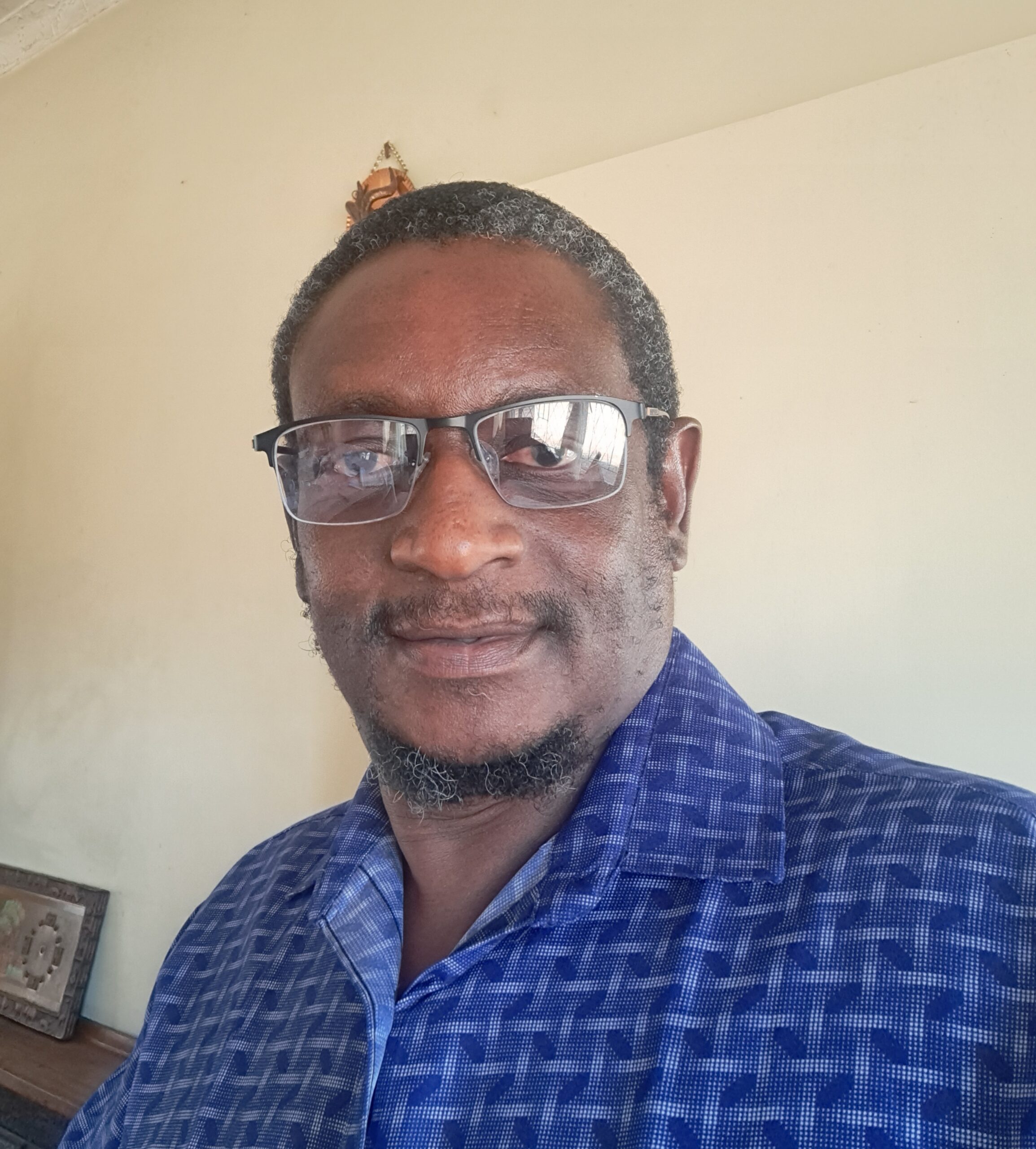
Tendai Ruben Mbofana
Effective July 1, 2026, the World Bank Group officially removed Zimbabwe from its Fragile and Conflict-Affected Situations classification.
To directly receive my articles please join my WhatsApp Channel on: https://whatsapp.com/channel/0029VaqprWCIyPtRnKpkHe08
For years, the nation languished on this list—primarily due to institutional fragility, low Country Policy and Institutional Assessment scores, and deep-seated macroeconomic instability.
Being delisted is no small feat.
It signals to international markets that institutional risk is receding, potentially lowering sovereign risk premiums, improving investor confidence, and opening doors for commercial project financing.
This is a positive development that deserves credit.
The government ought to be commended for navigating the technical benchmarks required to clear this hurdle.
Yet, behind the celebratory press releases and polished international diplomacy lies a deeply troubling paradox.
What appears on paper as glowing economic progress never actually translates into the everyday lives of ordinary Zimbabweans.
Over the past few years, treasury officials have routinely touted impressive real GDP growth figures, boasting about macroeconomic stabilization and rising budget transparency scores.
But while the state apparatus tallies its GDP points and single-digit inflation rates, the average citizen grows poorer by the day.
We find ourselves in the absurd position of factory workers watching our employer post record-breaking, billion-dollar balance sheets, while our monthly wages cannot even cover a single bag of mealie-meal.
The disconnect between official economic metrics and human reality is staggering.
World Bank and local statistics confirm what every ordinary Zimbabwean already feels in their stomach.
Poverty remains brutally high, with over half the country unable to afford basic household necessities and four out of every ten people living in extreme hunger, struggling to put a single decent meal on the table each day.
ZIMSTAT reports that a family of six requires hundreds of dollars simply to stay above the total consumption poverty line, yet the majority of households survive on a fraction of that.
Because formal job creation remains a distant myth, most Zimbabweans have been forced into informal trade.
Urban streets and suburban backyards have turned into desperate marketplaces where degreed professionals hawk vegetables, second-hand clothes, and airtime just to secure their next meal.
Even those formally employed—most strikingly by the state itself—can barely make ends meet.
Walk into almost any government department office on any given afternoon, and you will witness a scene that should shatter any pretense of national prosperity.
Public officials, tasked with managing state affairs, sitting at their desks selling homemade peanut butter, samosas, and drinks to visiting clients to subsidize their starvation civil service wages.
This structural collapse extends to every corner of public life.
Public hospitals and clinics operate as empty shells, perpetually short on basic painkillers, surgical gloves, and functional equipment, leaving families to source their own intravenous fluids on the black market or watch their loved ones die of preventable ailments.
Public schools are equally stretched, with underpaid teachers managing overcrowded classrooms devoid of modern learning materials.
Basic infrastructure tells the same story.
Forty-six years after independence, access to safe, reliable running water remains a luxury.
Major urban centers endure dry taps for months—and in some townships, years—at a time, forcing residents to queue at boreholes deep into the night.
In rural communities, families remain reliant on unprotected open wells and rivers, sharing water sources with livestock.
Meanwhile, despite cosmetic road rehabilitation along high-profile highways in major cities, the vast majority of the country’s road network remains a hazardous maze of wheel-shattering potholes.
What this reality reveals is a grim truth: the government’s economic targets are not designed to elevate ordinary citizens.
Instead, they serve to enrich a narrow ruling elite who grow wealthier by the day while prioritizing international financial institutions over their own people.
The state acts like a man who dresses in tailored suits to show off to his neighbors, while his own children go to bed hungry and miss school because their fees are unpaid.
This is why, in a country where the average family lacks even $50 in savings, we consistently read news of those in power having millions in cash stolen from their residential mansions by lovers.
It is why we witness self-proclaimed “businessmen”—whose actual enterprises no citizen has ever seen, visited, or pointed at—flamboyantly handing out fleets of luxury vehicles and stacks of cash to social media personalities.
Zimbabwe has hardened into a nation of two starkly divided classes: the small clique of the politically connected who possess everything, and the vast majority who have nothing.
Even if the country eventually meets its statistical ambition of becoming an upper middle-income economy by 2030, that milestone will remain a paper victory.
The wealth will continue to pool at the top, leaving the poor permanently trapped in structural poverty.
It can no longer be denied that those in power have little interest in genuinely improving the lives of ordinary citizens.
They view the populace as unworthy of the nation’s vast natural resources, treating the country’s wealth as the private inheritance of those at the top.
The rest of the population is expected to settle for crumbs and leftovers, scrounging on street corners while millions in hard currency sit in private vaults.
God did not endow this land with immense deposits of gold, lithium, platinum, and diamonds so that civil servants would have to sell peanut butter and samosas in government offices just to pay rent, while a ruling elite buys luxury mansions across the world.
It is time for Zimbabweans to realize that economic indicators will not save us if the system itself is built on exploitation.
We must stand our ground and demand an equitable share of the national wealth that belongs to us all.
- Tendai Ruben Mbofana is a social justice advocate and writer. Please feel free to contact him on +263715667700 or mbofana.tendairuben73@gmail.com