


Image: MSF
The departures follow the unofficial June 30 deadline imposed by some groups calling on undocumented migrants to leave SA.
But the pressure has not eased, with anti-migrant groups continuing campaigns aimed at forcing migrants out of the country.
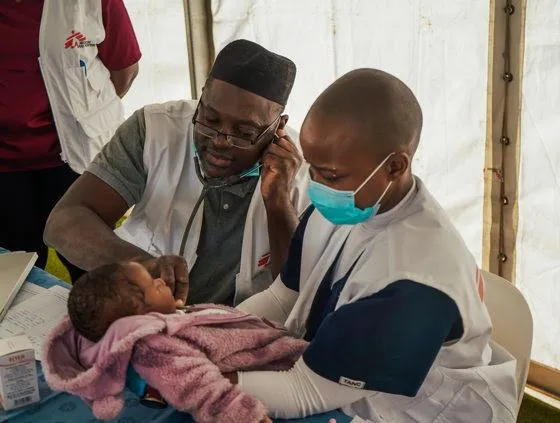
As people make their way home, humanitarian organisation MSF has expanded its emergency migration response in neighbouring Zimbabwe, highlighting the difficult conditions faced by those travelling long distances to reach their destinations.
MSF initially began supporting people arriving at the Beitbridge Reception Centre, responding to the medical and humanitarian needs of people returning to Zimbabwe.
However, as movement patterns changed, the organisation extended its response to Nyamapanda, a border crossing in north-eastern Zimbabwe linking the country with Mozambique and serving as an important transit point for people travelling onwards to Malawi.
‘Exhausted’ migrants arrive after difficult journeys
For some migrants, reaching the border is only one part of a long and uncertain journey.
Mutubuk said many of those arriving at Nyamapanda were physically and emotionally drained.
“Many of the people arriving at Nyamapanda are exhausted and under a lot of stress after a long and difficult journey, and some are dealing with emotional trauma.”
He said MSF was also treating people with existing health conditions.
“We are also seeing people with chronic conditions such as hypertension and diabetes, as well as skin conditions.”
Mutubuki said the organisation’s presence at the border allowed teams to provide immediate support while helping people continue accessing care.
“Being here allows us to provide immediate physical and emotional support, care for those who are sick, and help ensure their care continues.”
He said basic necessities could also make a significant difference to people who had already endured difficult journeys.
“Just as importantly, a hot meal, water and a safe place to rest help ensure that people are treated with dignity,” said Mutubuki.
More than 80,000 Malawians have passed through the Nyamapanda reception centre, underscoring the scale of movement through the border and the humanitarian needs arising along the route.
Border crossing is not always the end of the journey
For migrants travelling onwards to Malawi, reaching Nyamapanda does not necessarily mean they are close to completing their journey.
“Reaching the border does not necessarily mean reaching their destination.”
Mutubuki said some Malawians travelled long distances before reaching the border and could face further difficulties if they arrived after the crossing had closed.
“Some Malawians travel long distances before arriving at Nyamapanda. When they reach the border post late in the day, they may find the crossing has closed for the night and have to wait until the following day to continue their journey.”
“For people who may already have spent days travelling, this can create additional challenges, including finding somewhere safe to sleep, accessing water, sanitation and food.”
To help meet these immediate needs, MSF has established a temporary reception centre at Nyamapanda where people can rest overnight, wash and receive a meal while waiting to continue their journeys to Malawi.
The organisation has also introduced water, sanitation and hygiene interventions at the centre, including toilets and washing areas.