


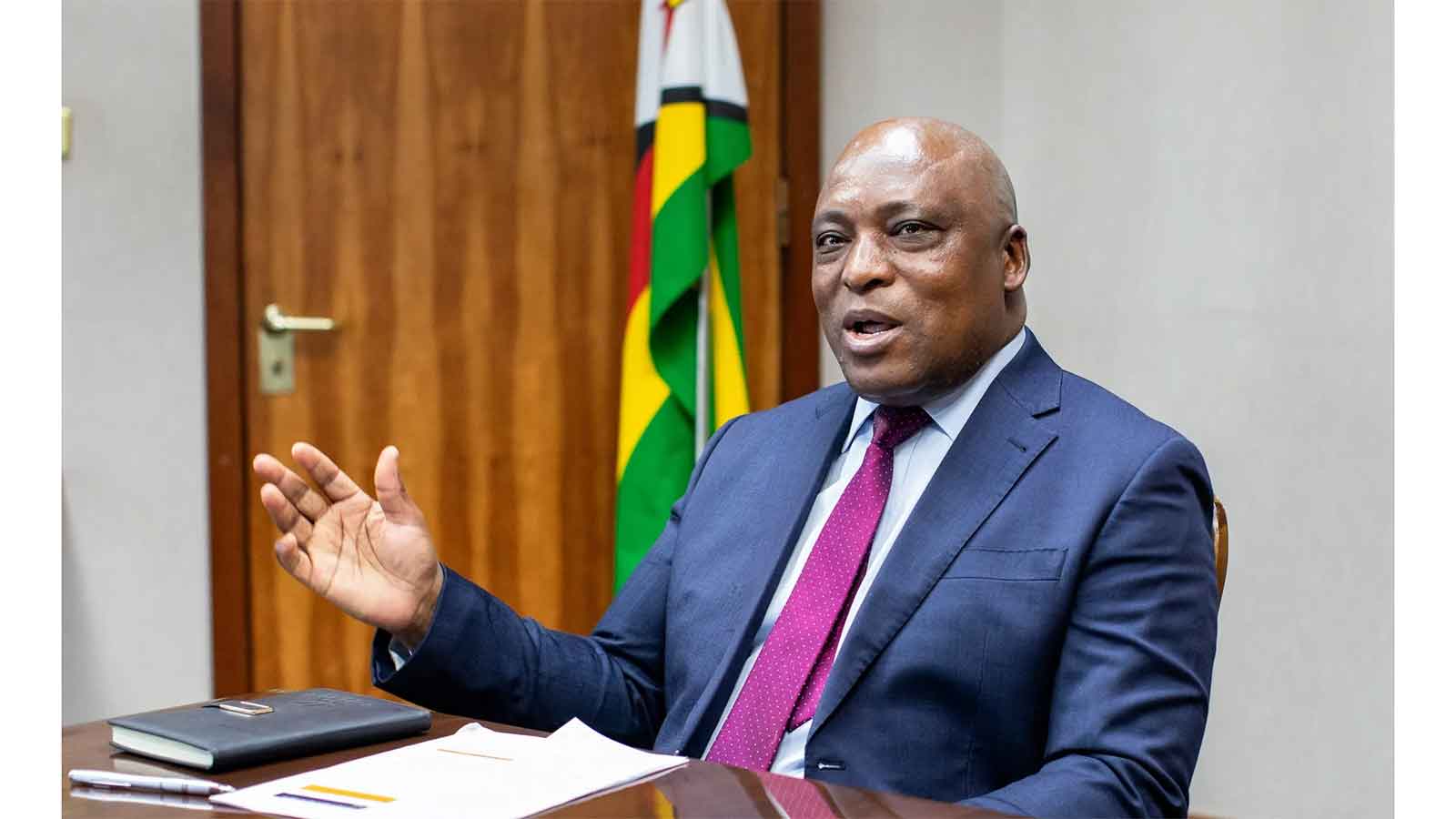
Governor John Mushayavanhu told The Herald the central bank is in discussions with NPCI International Payments Ltd (NIPL), the international arm of India’s National Payments Corporation, to deploy UPI technology as the foundation of Zimbabwe’s National Payments Digital Public Infrastructure.
No agreement has yet been reached, but 31 October has been set as the deadline to conclude a deal.
“Despite technological advances, payments remain slow, fragmented and costly,” Mushayavanhu said.
He said the proposed platform will complement, not replace, existing payment infrastructure.
The platform is envisaged to provide common, real-time rails through which banks, mobile money operators, payment service providers, fintechs and other regulated participants could connect and transact.
“Improving the affordability of digital payments is one of the principal objectives of the initiative,” he said.
Under the proposed system, a customer could scan a single QR code to pay at any participating business, using any supported bank account or mobile money wallet, regardless of provider.
Consumers will also be able to move money instantly between participating banks and mobile money platforms without navigating separate payment channels.
The platform will automatically route transactions to the appropriate account. Users could be identified by a single payment address, such as a mobile number, email address or digital ID, rather than having to remember multiple account numbers.
“The intended outcome is a Zimbabwean national payments ecosystem that would be deployed and operated as a domestic instant payments public infrastructure, much like roads, dams and power grids,” Mushayavanhu said.
He warned that it was too early to quantify any reduction in bank charges.
“It would be premature to guarantee a particular reduction in customer charges before the system rollout,” he said.