


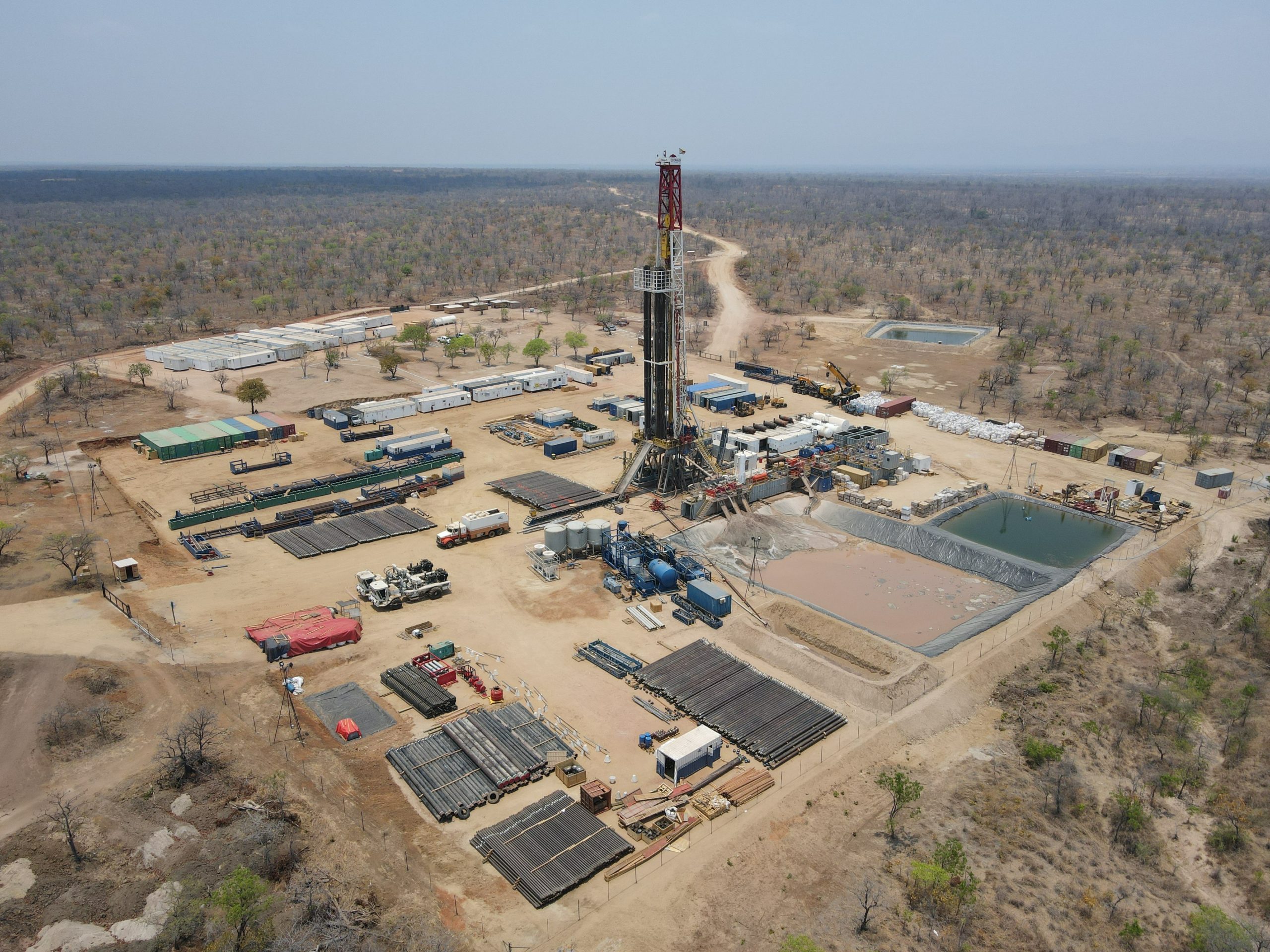
Gazetting the agreement means it has been formally published by the Government and is now law. It completes the formal requirements for the deal between Zimbabwe, Australian Stock Exchange-listed Invictus Energy as the operator, and its subsidiary Geo Associates as the licence holder.
The PPSA is the main contract between Government and the company. It sets out the legal, tax and commercial framework for the entire life of the project – from exploration and appraisal to development and production. Without it, the project cannot move from searching for gas to actually producing and selling it.
The PPSA gives the company protection against future changes to laws or tax structures that could affect its investment. It also provides what the industry calls regulatory and fiduciary certainty – a clear and stable set of rules that banks and large energy partners need before they commit heavy funding.
Large-scale energy development requires what are known as farm-out partners – other companies that come in to share the cost and risk of development. Reaching the gazettal milestone gives those prospective strategic and financing partners the confidence to invest in advancing the Mukuyu discovery and unlocking the wider Cabora Bassa resource.
The PPSA is the formal contract both Invictus and the Government need to transition the pioneering Cabora Bassa project from exploration into commercial production.
After drilling its first exploratory wells, known as wildcat wells, at Mukuyu-1 and Mukuyu-2, Invictus confirmed that there is a working petroleum system in the basin.
The company estimates a portfolio-wide resource base of about 4.2 trillion cubic feet of gas and 264 million barrels of condensate on a gross mean unrisked basis. Condensate is a very light oil found together with gas. Broader basin estimates are even higher.
Following that discovery, Invictus is now in the appraisal phase. This is the next step after a discovery, where the company measures how big the resource is, whether it is commercially viable and how much can actually be recovered as reserves.
The company is also preparing to start exploration drilling at a new target in the same basin, called Musuma-1. Musuma-1 is a separate prospect that is estimated to hold about 1.2 trillion cubic feet of gas and 73 million barrels of condensate.
If appraisal and further exploration are successful, the Cabora Bassa Project would be Zimbabwe’s first commercial oil and gas development.