


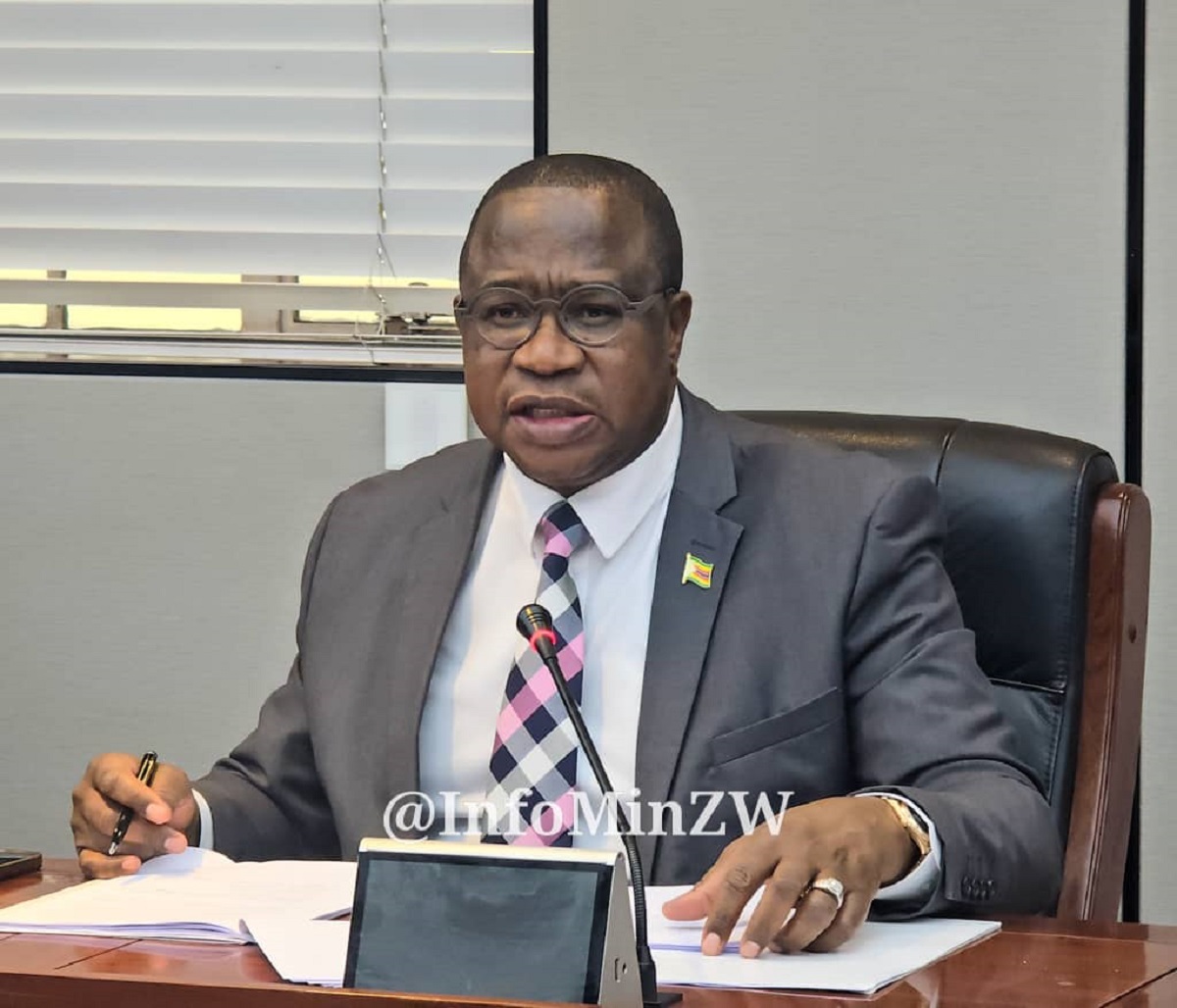
Finance Minister Mthuli Ncube said the Government may have to take more expensive commercial loans if cheaper funding is not enough.
In a letter dated 10 November to World Bank Managing Director of Operations Anna Bjerde, Ncube said the Government is looking at both options to meet its March deadline.
“The people of Zimbabwe have been shut out of development financing for 26 years, and the Government is resolute in its goal of clearing its arrears to IFIs (international financial institutions) by end-March 2027, even in the event that full concessional financing is not available,” Ncube wrote.
Arrears are debts that are overdue and have not been paid on time. Concessional financing means cheap loans with lower interest rates and longer time to repay.
Zimbabwe’s total public debt was US$21.7 billion as at June 2026. Of that, US$11.7 billion was owed to lenders outside the country. Arrears and penalties owed to those lenders account for US$8.3 billion.
The Government plans to visit London, Paris and Berlin this month to find a partner for a bridging loan. It will also talk to Algeria.
A bridging loan is a short-term loan used to meet an urgent need while longer-term funding is being arranged. For Zimbabwe, it could help clear the arrears by March while the Government keeps looking for cheaper, longer-term funding.
“If full concessional financing is not available, the Government of Zimbabwe will resort to commercial financing to fill any remaining gap.”
Commercial loans are usually more expensive. This means Zimbabwe could pay more to clear its arrears and face higher repayments in the years ahead.
However, Treasury believes clearing the arrears could help Zimbabwe get access to international development funding again after nearly three decades, which could open the door to funding for roads, energy and other development projects.
Zimbabwe has had to pay for these projects from its own budget, building up more than US$1.3 billion in debts to local contractors.