


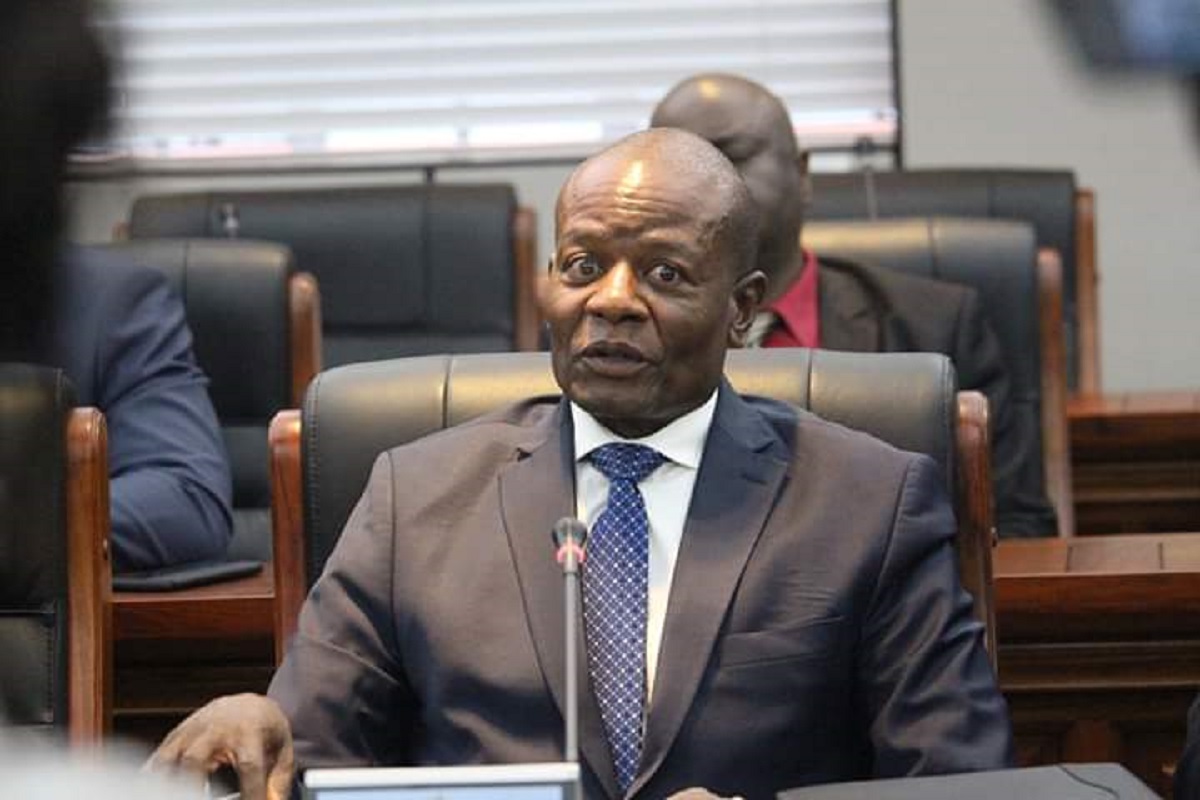
This was said by the Minister of Local Government and Public Works, Daniel Garwe, while briefing journalists after a Cabinet meeting in Harare on Tuesday, 14 July.
Garwe said the pace of returns had risen since the exercise began in May, but the government was only scratching the surface of the numbers it expected to receive.
“Zimbabwe has raised the bar in terms of repatriating people. Initially, we were dealing with numbers around 700-1,500 people per day,” said Garwe.
“We expect these numbers to increase, but we will not tire because these are Zimbabweans who are coming home.
“We have got in excess of about 2 million Zimbabweans in South Africa, and we are hoping 70 per cent of that 2 million is coming home and we are ready to receive them.”
Information, Publicity and Broadcasting Services Minister Zhemu Soda told the same briefing that 99,418 citizens had been repatriated between 28 May and 10 July “through collaborative efforts between the inter-ministerial committee and development partners.”
“More than 70 per cent of the returnees are women and children,” Soda said, adding that the number of Zimbabwean nationals requiring repatriation and reintegration assistance had continued to increase, and measures had been put in place to meet the growing demand.
The repatriation exercise was launched on 28 May after anti-immigrant groups in South Africa set an unofficial deadline of 30 June for undocumented foreign nationals to leave, sparking marches that at times turned violent.
The government says it has introduced a dedicated green lane at the Beitbridge border post to speed up the clearance of Zimbabweans returning home.
Officials say the green lane is expected to improve efficiency while reducing inconvenience for returnees.
The repatriation effort has drawn support from the private sector and United Nations agencies, with a 24-hour inter-ministerial command centre established at the Beitbridge Reception Centre to coordinate the reception, registration and transportation of returnees.