


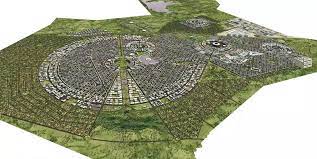
This statement focuses on Zimbabwe’s capital, Harare whose outdated Masterplan- last updated in 1992- has paved the way for chaotic land allocations (including on wetlands) which often disregard environmental sustainability.
Harare’s outdated Masterplan makes little reference to wetlands and their invaluable services for the City of Harare. Wetlands degradation has been rampant in Harare and this is coming on the backdrop of erratic water supplies. This situation could be addressed through preservation and restoration of wetlands which are Harare’s second source of water after run-off.
It is worth noting that land use planning in Harare has largely failed to integrate the issue of wetland ecosystems and this has come with heavy costs for the city.
Harare continues to use outdated colonial legislation on urban planning which was initially meant for a smaller population and this works against proper land use and planning.
At a time when the city is using an outdated master plan, the demand for land for construction or housing purposes is continuously high in Harare and consequently, these projects are being undertaken at the detriment of wetland ecosystems.
The updated Masterplan for Harare must appreciate the fact that the future sustainability of the capital is dependent on wetlands preservation and environmental sustainability.
Proper land use planning in Harare should in corporate the need to protect wetlands in line with the vision of sustainable development of the capital. Harare’s updated master plan must critically examine the state of the city’s wetlands with a view of sustainably managing them.
There is an imperative need to conduct a detailed study of the environment and the state of wetlands to allow for appropriate measures to be taken to protect the environment.
Several wetlands in Harare need restoration after being damaged while the remaining ones need to be served from invasion/destruction.
Development and implementation of Local Environmental Action Plans (LEAPs) as stipulated by the Environmental Management Act is also critical for protecting wetlands.
Effective town planning should be
anchored on environmental sustainability and sustainable growth and development of the capital.
Post published in: Featured