


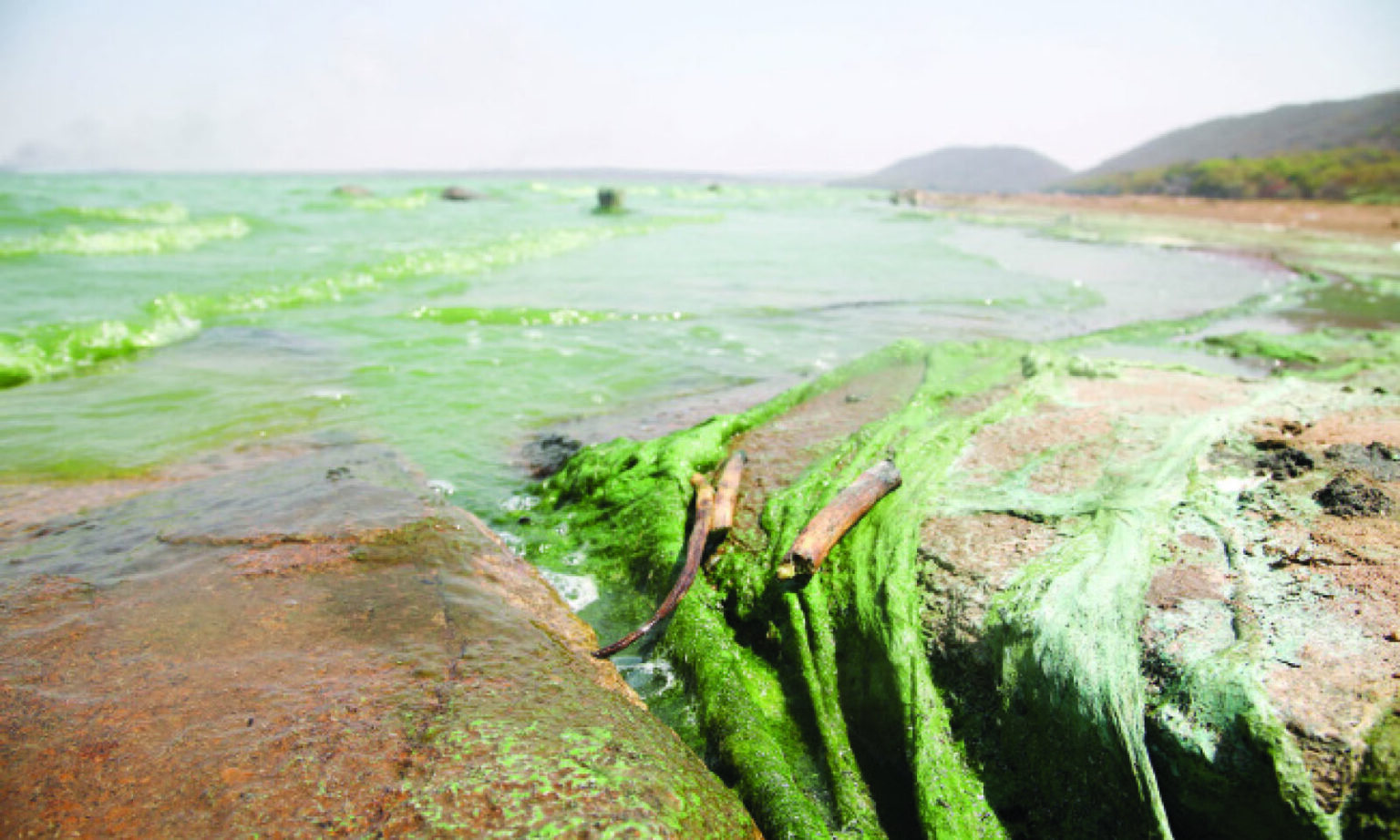
Speaking to journalists in Harare on Tuesday, CHRA programmes manager Mable Murambiwa said unchecked discharges of industrial effluent and raw sewage into Harare’s water sources were threatening public health, driving up water treatment costs and compromising residents’ constitutional rights.
She described water pollution as the most pressing environmental and public health challenge facing Harare and the Upper Manyame Catchment.
“The continued pollution of water sources continues to violate residents’ constitutionally guaranteed right to a clean environment as well as clean, safe and potable water as espoused under Sections 73 and 77 of the Constitution of Zimbabwe,” said Murambiwa.
She blamed the pollution on industries that continue to discharge untreated effluent into municipal sewer systems without installing the mandatory pre-treatment facilities required under the Environmental Management Act. Persistent sewer failures in Crowborough, Firle and Chitungwiza had made the situation worse.
Murambiwa said CHRA’s research had identified several gaps in Zimbabwe’s water pollution control framework. These include fragmented legislation, weak regulatory oversight, overlapping institutional mandates, poor coordination among stakeholders and inadequate enforcement of environmental laws.
She added that existing pollution permit fees and penalties were too low to deter offenders.
“In Zimbabwe, it is cheaper to pollute rather than comply with the environmental water laws,” she said.
She said an estimated 250 million litres of raw sewage flowed into Lake Chivero each day, further degrading Harare’s main water source.
Murambiwa urged residents not to buy fish caught illegally from Lake Chivero, warning that eating contaminated fish posed serious health risks.
She said CHRA had developed a Model Statutory Instrument based on the “polluter pays” principle to strengthen environmental governance. The draft law seeks to ensure that polluters meet the full costs of environmental remediation and restoration.
The association will also roll out a public awareness campaign targeting councillors, legislators, community leaders, residents and government agencies, she said. The aim is to strengthen compliance with environmental laws and promote accountability.
Murambiwa called on Parliament to expedite amendments to the Environmental Management Act, the Zimbabwe National Water Authority Act and the Water Act to bolster the country’s legal framework for tackling water pollution.
“The situation at Lake Chivero deserves urgent attention and is, in itself, a state of national disaster,” said Mrs Murambiwa.